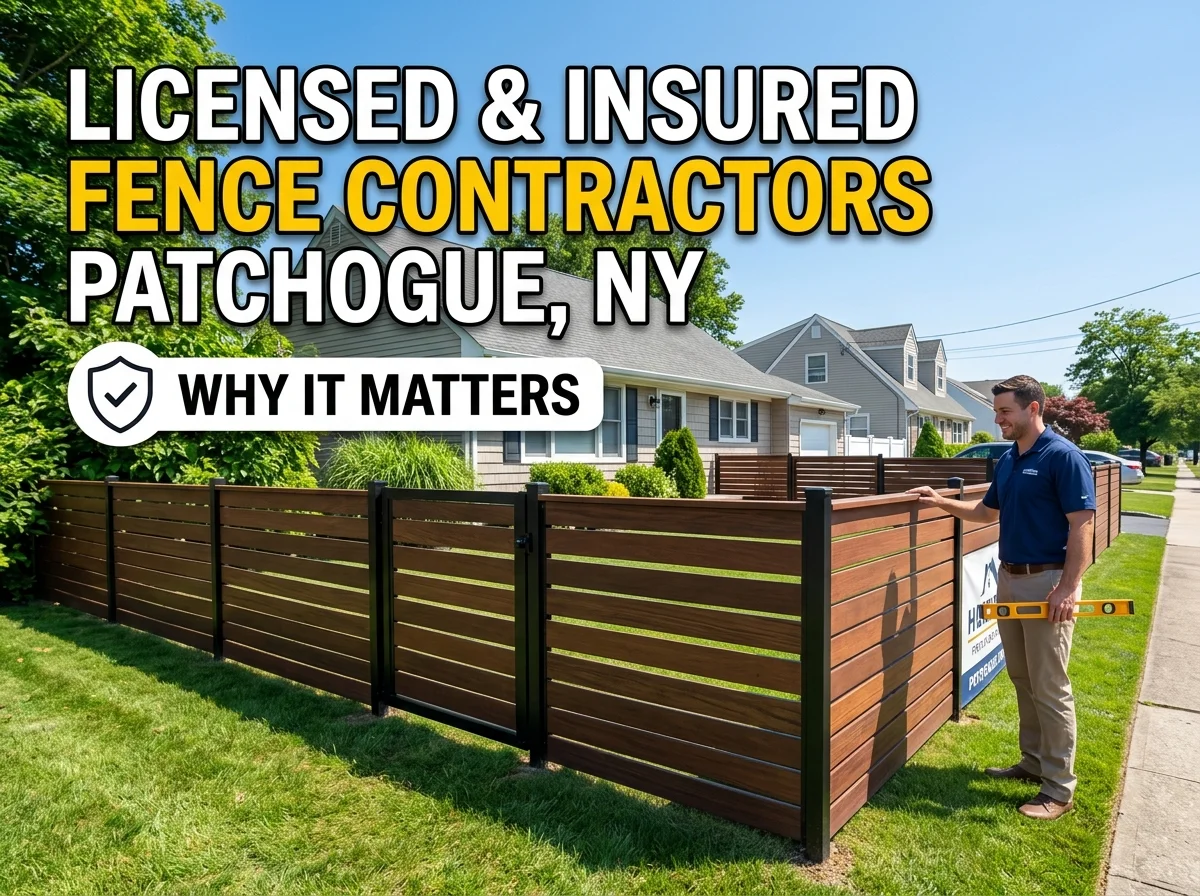
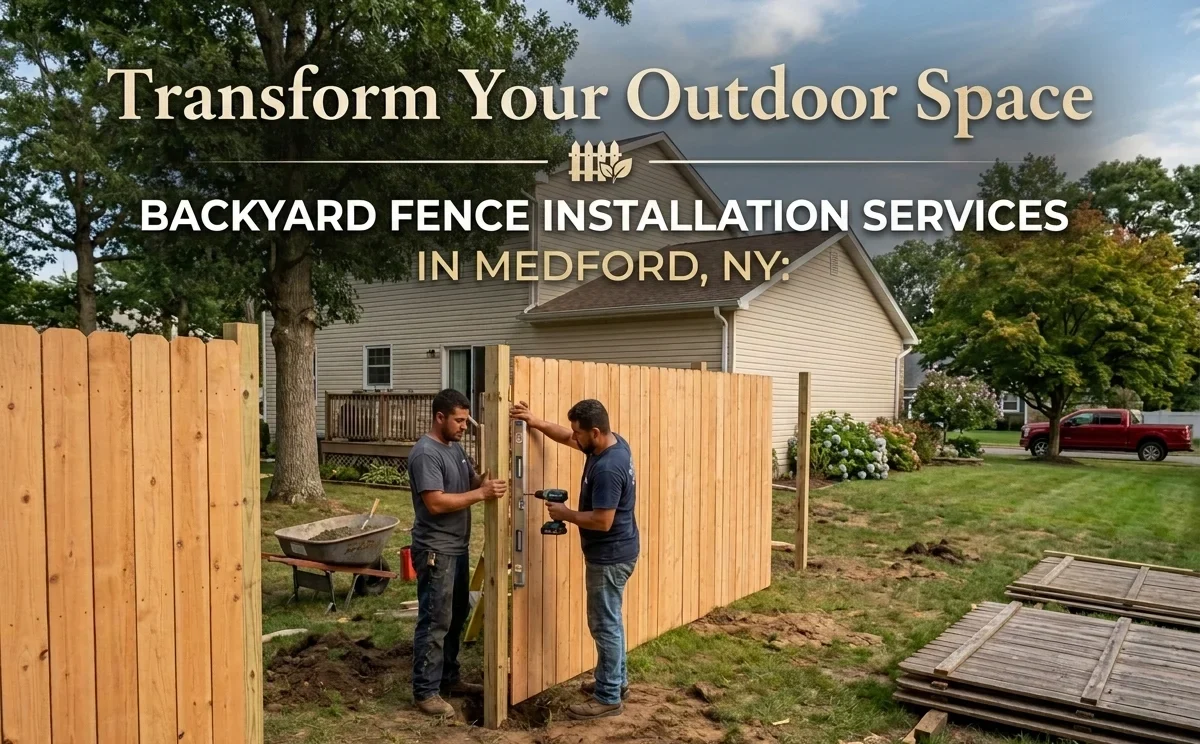
A backyard fence can serve as more than just a property boundary. The right design can provide privacy, a safer enclosure for children and pets, outdoor living spaces, and enhance the look of a home. But a successful Backyard Fence Installation Medford, NY project is much more than picking a material from a catalog.
Property lines, local requirements, fence height, gates, and the way the yard is used can all affect the final design. This guide deals with some of the practical things that Medford homeowners need to consider prior to installation, such as the types of fences that are commonly available, the dimensions that are realistic, and some of the considerations that can influence the size of the project.
Choosing the Right Backyard Fence for Your Goals
What works for one fence may not work for another. It is good to determine the purpose of the fence first before choosing the fence panels or fence materials.
Privacy and everyday comfort
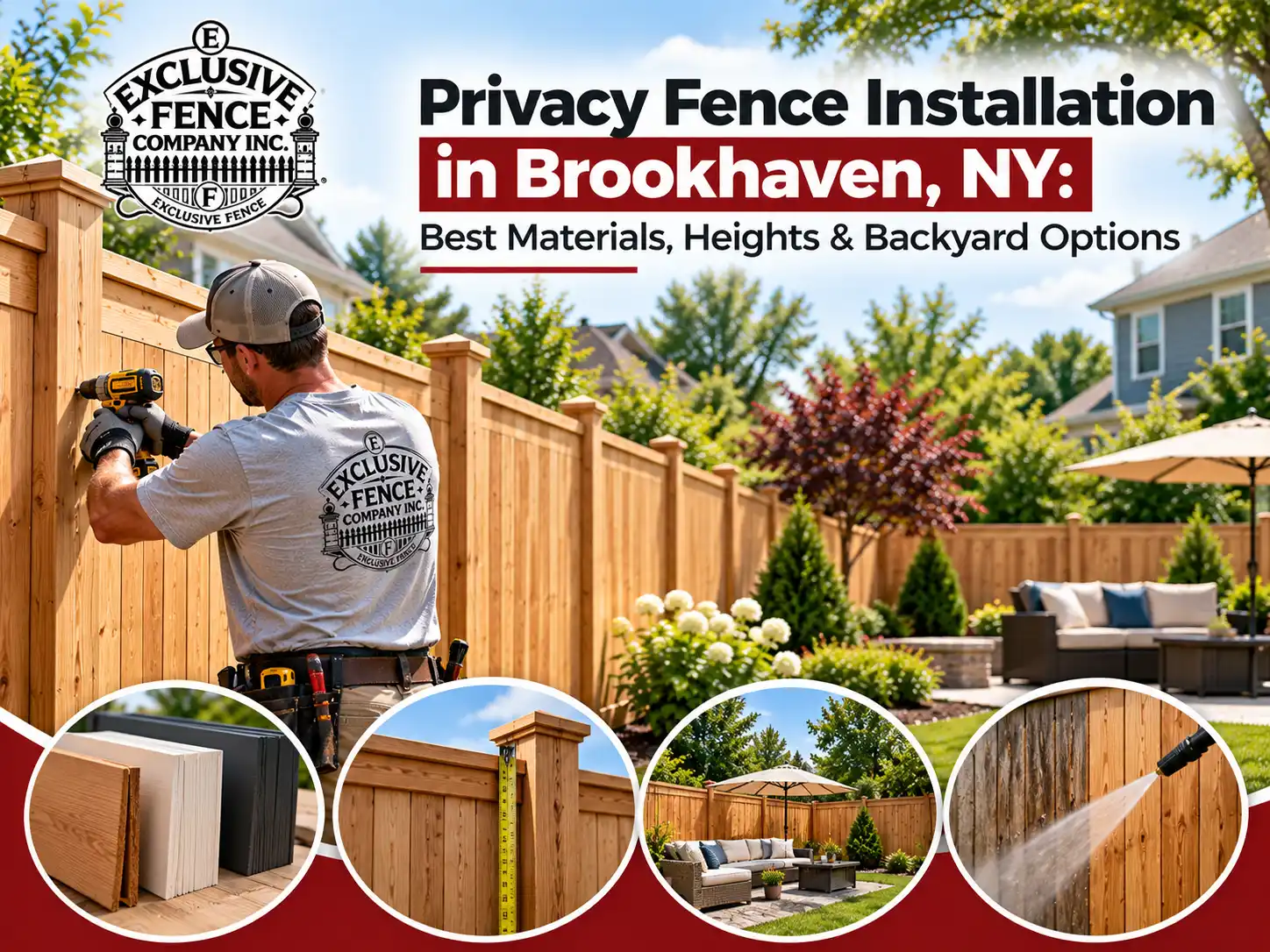
Vinyl or wood fences are often used by homeowners who prefer privacy from their neighbors. A higher back fence can provide a more private environment for patios, pools, outdoor living spaces, and more.
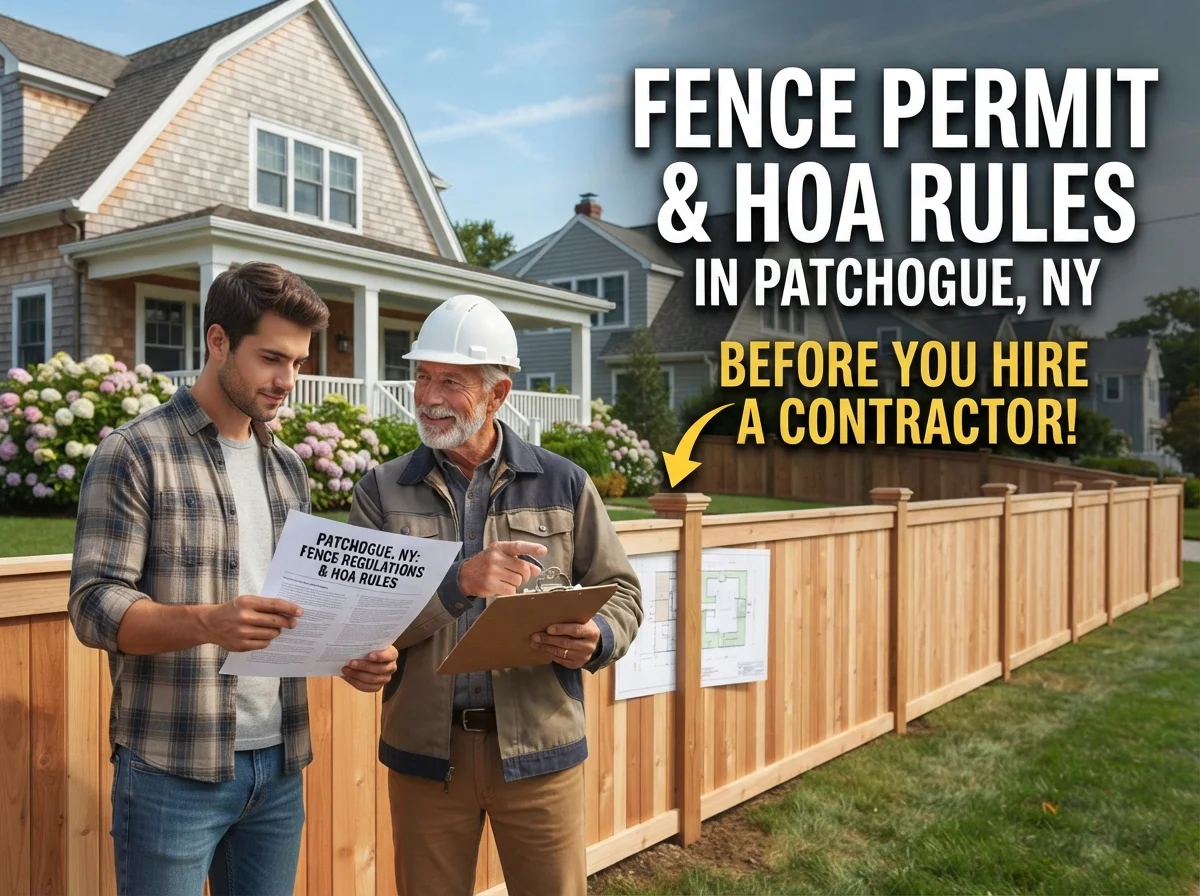
In many residential areas of the Town of Brookhaven, the fences are restricted to a 4-foot maximum height, and a 6-foot fence is allowed in “qualifying” rear-yard locations. You may find different regulations for corners and through lots; a fence of 6 ft in height must be submitted for a building permit in some secondary front yard areas.
Security and a defined outdoor space
A property boundary fence can help to keep pets and children in a more controlled environment and provide a clear definition of the usable outdoor space. The location of the gate is just as important as the fence itself, particularly when access is required for lawn equipment, vehicles, or regular maintenance.
Security designs don’t always have to be industrial. Fencing options to consider include vinyl, aluminum, wood, and some types of chain-link, all of which can help create a fence that matches the exterior and landscape of the home.
Compare Fence Materials Before Making a Decision
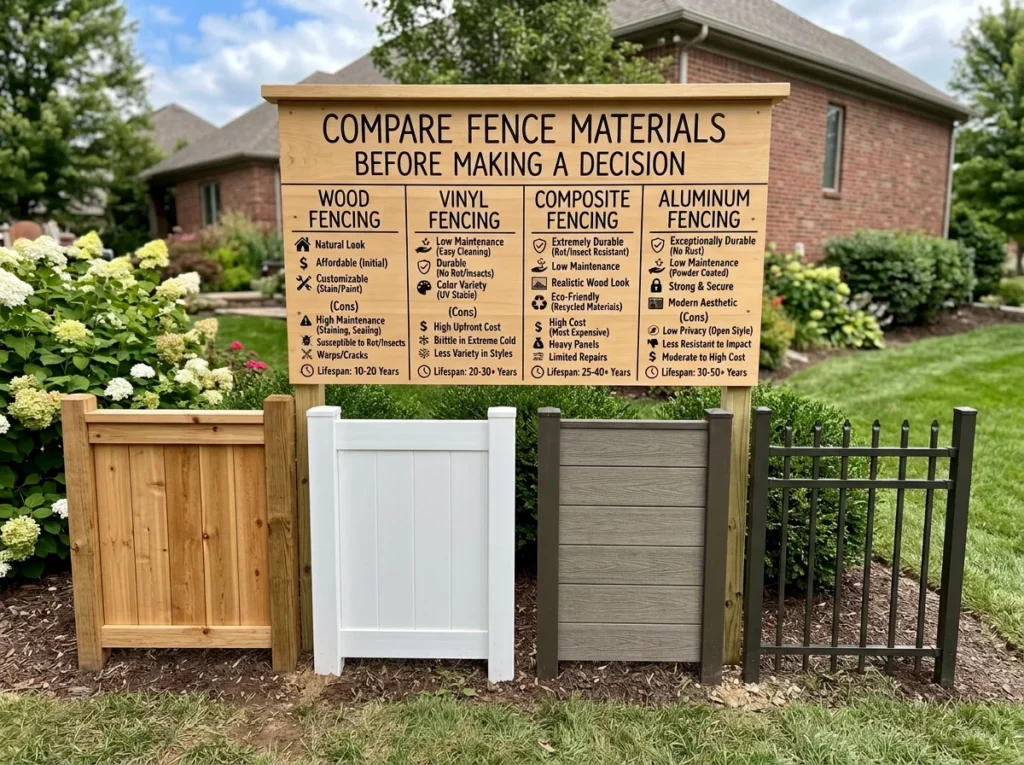
Material selection affects privacy, maintenance, appearance, and long-term upkeep. There is no universal best option.
| Fence Material | Privacy | Maintenance | Common Strength |
| Wood | High with solid panels | Moderate to high | Natural appearance and design flexibility |
| Vinyl | High with solid panels | Low | Low-maintenance privacy fencing |
| Aluminum | Low to moderate | Low | Open appearance and durability |
| Chain link | Low | Low | Practical property enclosure |
| Decorative fencing | Varies | Varies | Appearance and landscape definition |
Wood fences
Wood can be a great choice for custom backyard fence projects due to its versatility in height, style, and layout. Homeowners can choose privacy boards, decorative tops, or designs that complement the property. The tradeoff is maintenance. Over time, wood products may require cleaning, staining, sealing, and/or repair based on exposure and product.
Vinyl fencing
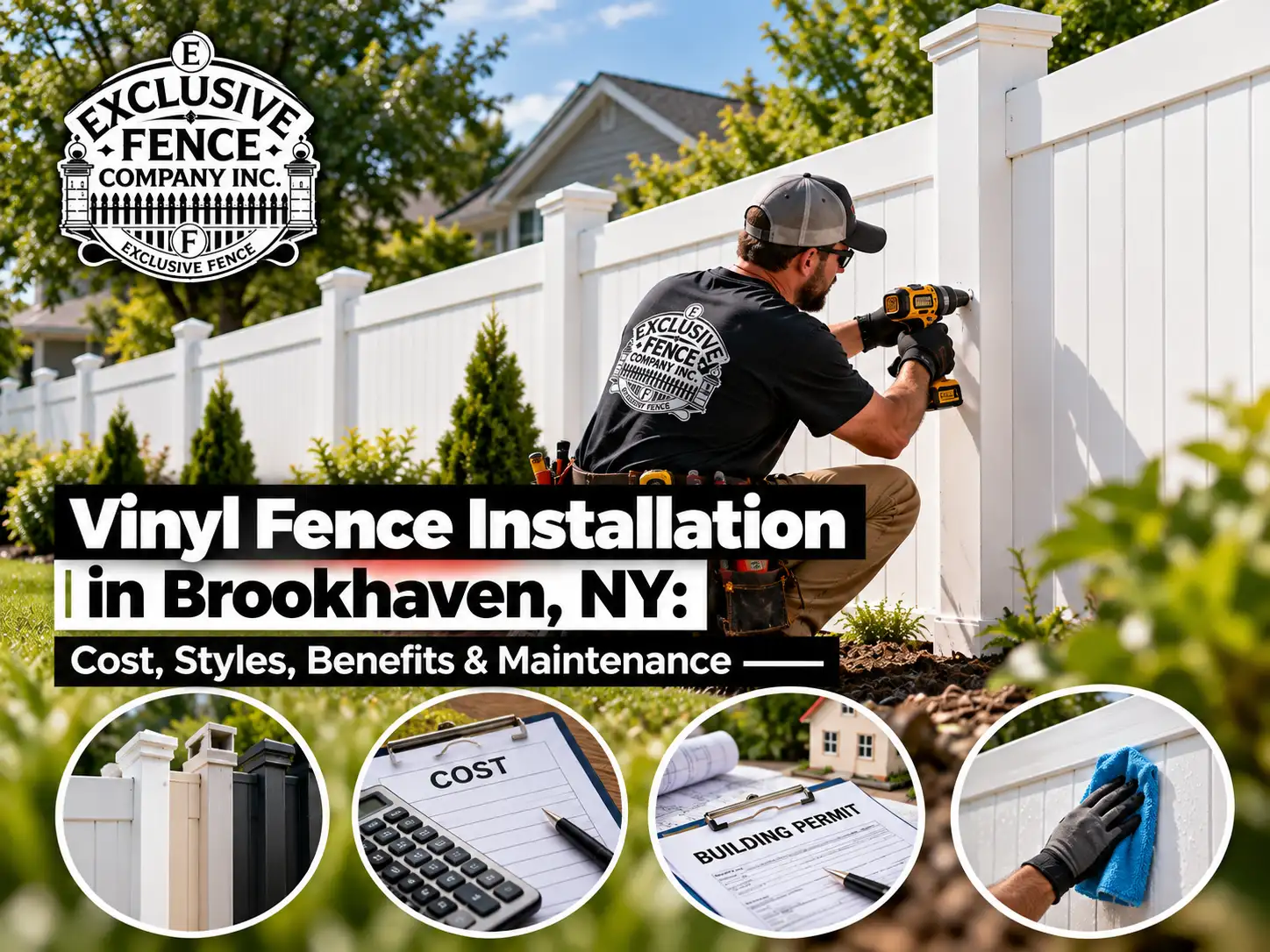
For the homeowner wishing a clean look and relatively low maintenance, vinyl fences are a popular choice. Solid panels can be used to block out views, and other panels will give a more open yard enclosure.
However, the design decision needs to be made based on the particular property, not assuming that all vinyl fences fit the same layout. The installation plan may be influenced by gates, slopes, existing landscaping, and the property lines.
Aluminum and chain link
For homeowners who value visibility over privacy, aluminum fencing can be an excellent choice. It can create the boundaries that you want to be attractive, but which don’t obstruct the whole view.
Chain-link fencing may be a good choice for putting up a fence for pets or for a backyard. Privacy can also be increased with appropriate screening, although homeowners should first consider local requirements and the final appearance from neighboring properties.
Start With the Property Line, Not the Fence Design
The biggest mistake that can be made in a fence installation is to think that the fence line on the property is just the edge of the yard that is visible. Old fences, landscaping, driveways, and surrounding developments may not define the legal fence line. If there is uncertainty, a current survey or professional guidance may be necessary before posts are placed.
A good planning checklist includes:
- Confirming property boundaries
- Checking for easements or access areas
- Reviewing local fence height and placement requirements
- Identifying gates and access points
- Considering slopes, trees, and underground utilities
- Discussing the project with neighbors when the fence will follow a shared boundary
For corner properties, visibility can also affect the design. Brookhaven’s code limits fence height to 2½ feet within a 30-foot radius of an intersecting street corner in the situations covered by the ordinance.
| Important Reminder: Do not treat a general height rule as a substitute for checking the current requirements for your specific lot. Zoning district, lot configuration, and fence location can change what is permitted. |
What a Professional Installation Process Should Look Like
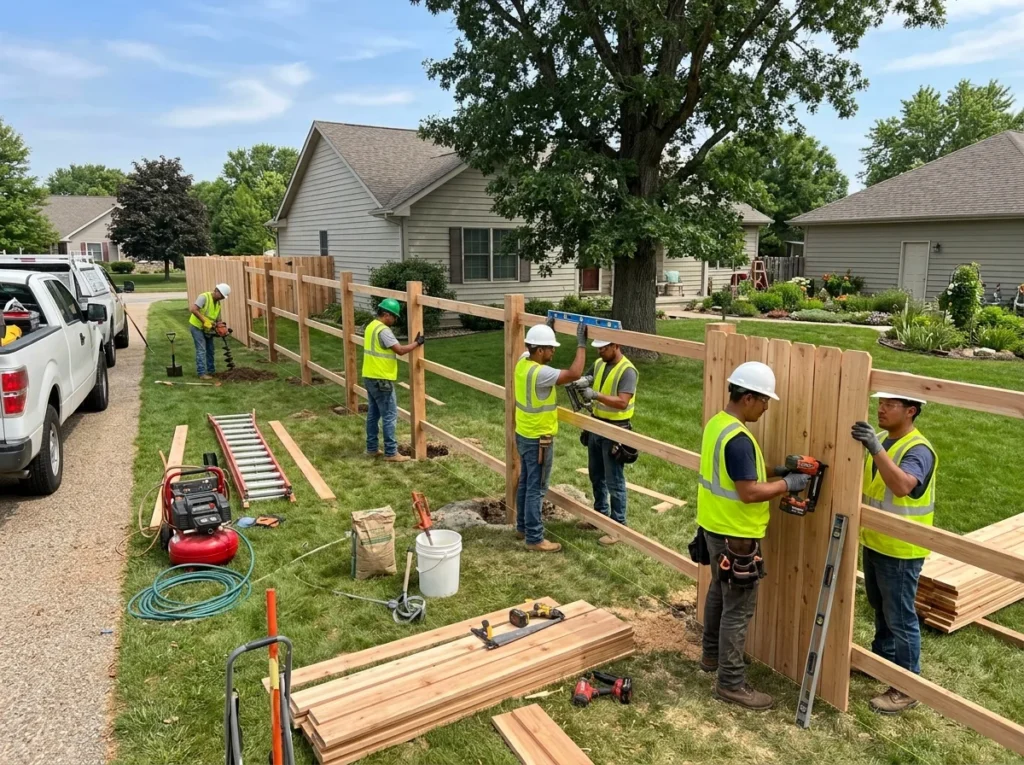
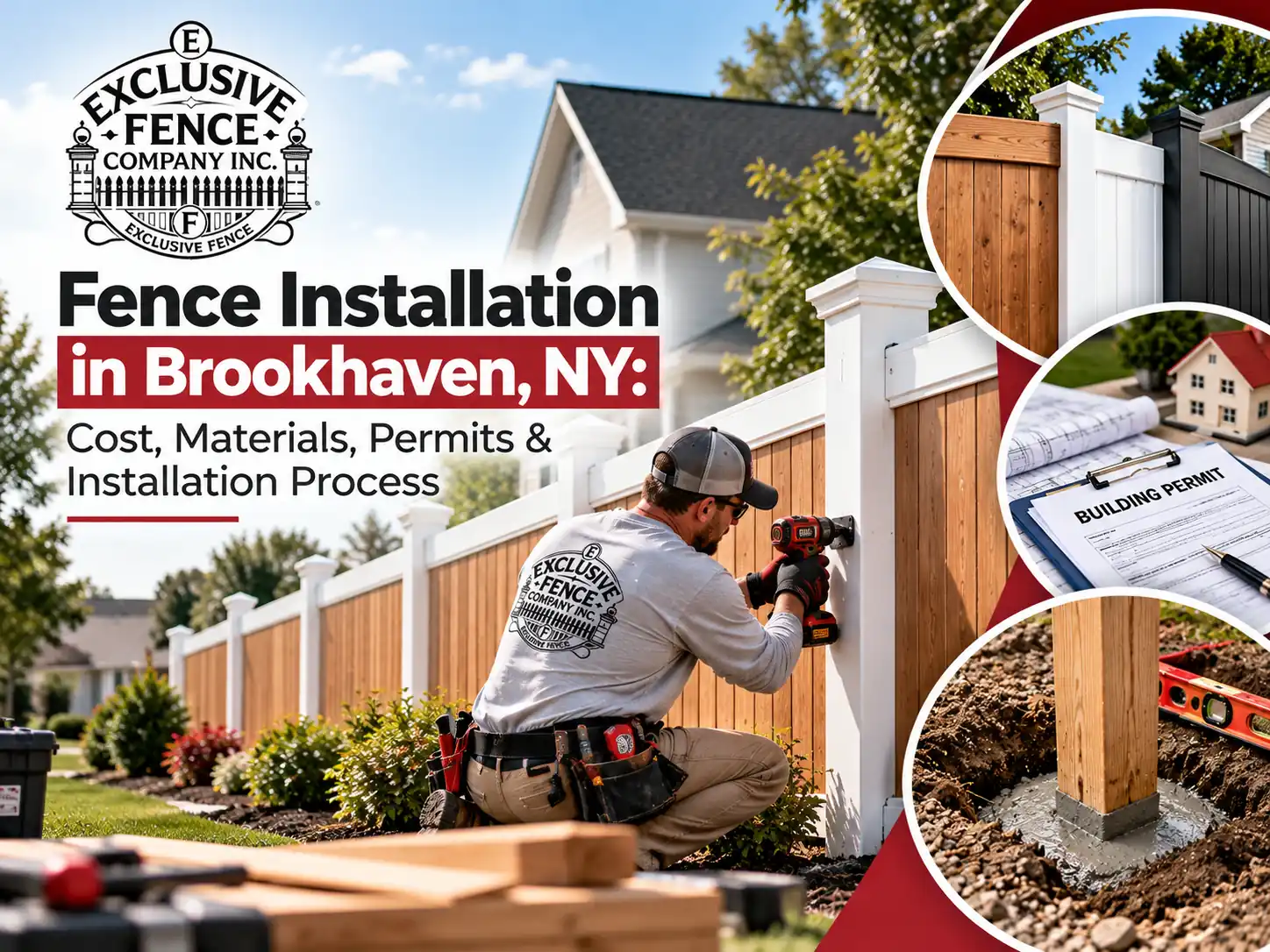
A well-thought-out fence project should proceed in a logical sequence from the evaluation of the property to the final installation of the fence. The process depends on the specific type of software you are selling, but generally, it is simple.
1. Evaluate the yard. The installer reviews the layout, terrain, access, existing structures, and the homeowner’s goals.
2. Plan the fence line. This will contain the proposed property boundary, gate position, fence height, and any areas that need special attention.
3. Select the material and design. Privacy, maintenance expectations, appearance, and budget all influence the final choice.
4. Prepare for installation. The fence line is marked, utility-related precautions are addressed, and the site is prepared for posts and panels.
5. Install and inspect. The posts, rails, panels, and gates are then set up based on the chosen system and site conditions. Last-minute tests should comprise alignment, gate operation, and overall stability.
A professional approach to fence installation can also reduce avoidable problems such as uneven fence lines, poorly positioned gates, or a design that conflicts with the actual property layout.
How a Backyard Fence Can Change the Way You Use the Space
A backyard fence does way more than just keep things out or give you privacy. If you put some thought into the design, a fence can really shape how you use your yard.
For example, a homeowner may use fencing to create a protected play area while leaving another section open for gardening. Another property may need a privacy fence around a patio while using decorative fencing elsewhere to preserve visibility.
This is where custom fence design becomes useful. The entire property does not need the same type of fence.
| Quick Tip: Think ahead if you plan to add a pool, plant a garden, build a shed, or update your landscaping. Position your gates and access points with those future projects in mind. |
Maintenance Depends on the Material
No fence is truly “set it and forget it,” even the low-maintenance ones. It’s smart to check the fence once or twice a year for loose parts, slanting posts, cracked panels, or wonky gates. Catching a small problem early saves you from bigger headaches later.
Wood fences, in particular, ask for more attention since they deal with rain, snow, and temperature swings. Vinyl and aluminum don’t need as much upkeep, but a quick cleaning and hardware check will keep them looking good and working right.
Addressing a small issue early is usually easier than waiting until a loose post affects an entire section.
Why Work With Local Backyard Fence Builders?
Going with a local pro has some real advantages. They know things an online estimate would never catch, like your yard’s shape, the slope, existing fences, zoning rules, and how you actually plan to use the space.
For homeowners planning Backyard Fence Installation in Medford, NY, Exclusive Fence Company INC can help turn those details into a practical fence layout that fits the property. Contact the team to discuss your backyard fencing needs rather than applying the same design to every yard.
Frequently Asked Questions
What fence height is allowed for a residential backyard in Medford, NY?
Medford follows the Town of Brookhaven’s rules, which generally allow backyard fences up to 4 feet, but you might be able to go up to 6 feet in some rear-yard spots. Corners and through lots can have extra requirements, so make sure you check the current codes for your exact address before you plan
What is the best fence for backyard privacy?
If you want privacy, solid vinyl or wood fences are both good picks because they block the view from outside. The best one for your yard depends on what look you want, how much maintenance you’re willing to do, your budget, and the local fence height rules. A property inspection can also help determine whether the yard has slopes, trees, or other conditions that affect the design.
Do I need to know my property line before installing a fence?
Absolutely. Don’t guess or use an old fence or hedge as your marker. If you’re not sure where your boundary is, look for a survey or ask a professional. Taking the time to confirm your property line now can save you from neighbor disputes and costly fixes down the road.
How often should a backyard fence be inspected?
A basic check once or twice a year is usually enough. Walk the fence line and look for anything loose, leaning, or broken, including the gates and hardware. After big storms, it’s smart to do another inspection. Wood fences need more regular care, but vinyl and aluminum are on the lower-maintenance side.
Final Thoughts: A Better Backyard Starts With the Right Fence Plan
A great backyard fence isn’t just about picking materials or following code; it’s about matching the fence with how you actually want to use your yard. Privacy, security, maintenance, appearance, material selection, and local rules all deserve consideration before installation begins.
A clear plan can prevent avoidable changes later and create a more useful outdoor space from the start. Exclusive Fence Company INC can help homeowners evaluate their backyard layout and choose a fencing solution that fits their goals and property.