A fence on a hill takes more planning than one on flat ground, and most of it happens before anyone digs. Successful fence installation on a sloped yard comes down to five decisions. You measure the grade and choose between stepped and racked panels. You pick a material that handles the angle and plan for ground clearance. Then you check how your soil holds up and where water runs. The right approach depends on your slope and fence style, the material, and your property’s conditions. This guide walks through each decision so you know what to ask before work starts.
Why Does a Sloped Yard Require a Different Fence Installation Plan?
Flat-yard plans assume every post sits at one height and every panel meets the ground evenly. A slope breaks that assumption because each change in elevation shifts panel positions, post heights, and the space under the bottom rail.
How Yard Elevation Changes Affect Fence Alignment
Set a standard panel level on a hill, and the uphill end digs into the soil while the downhill end floats. Rising and falling ground throws off a fence’s top and bottom lines. Good fence panel alignment depends on post height adjustment, so each section stays level or tilts with the grade on purpose. Skip it, and you get uneven ground clearance.
Why Ground Slope Measurement Matters Before Installation
Installing a fence on a slope starts with measuring the entire fence line, not one convenient spot. Few yards climb at one steady rate, and a gentle stretch can drop hard near a wall. Your installer needs the slope gradient and elevation change for each section, because those numbers set the layout. They also show how many panels and taller posts the job needs.
Stepped vs. Racked Fencing: Which Installation Method Works Better?
Stepping and racking are the two common ways to handle fence installation on uneven ground. Neither wins every time, because your slope and fence system decide the fit.
How Does Stepped Fence Installation Work?
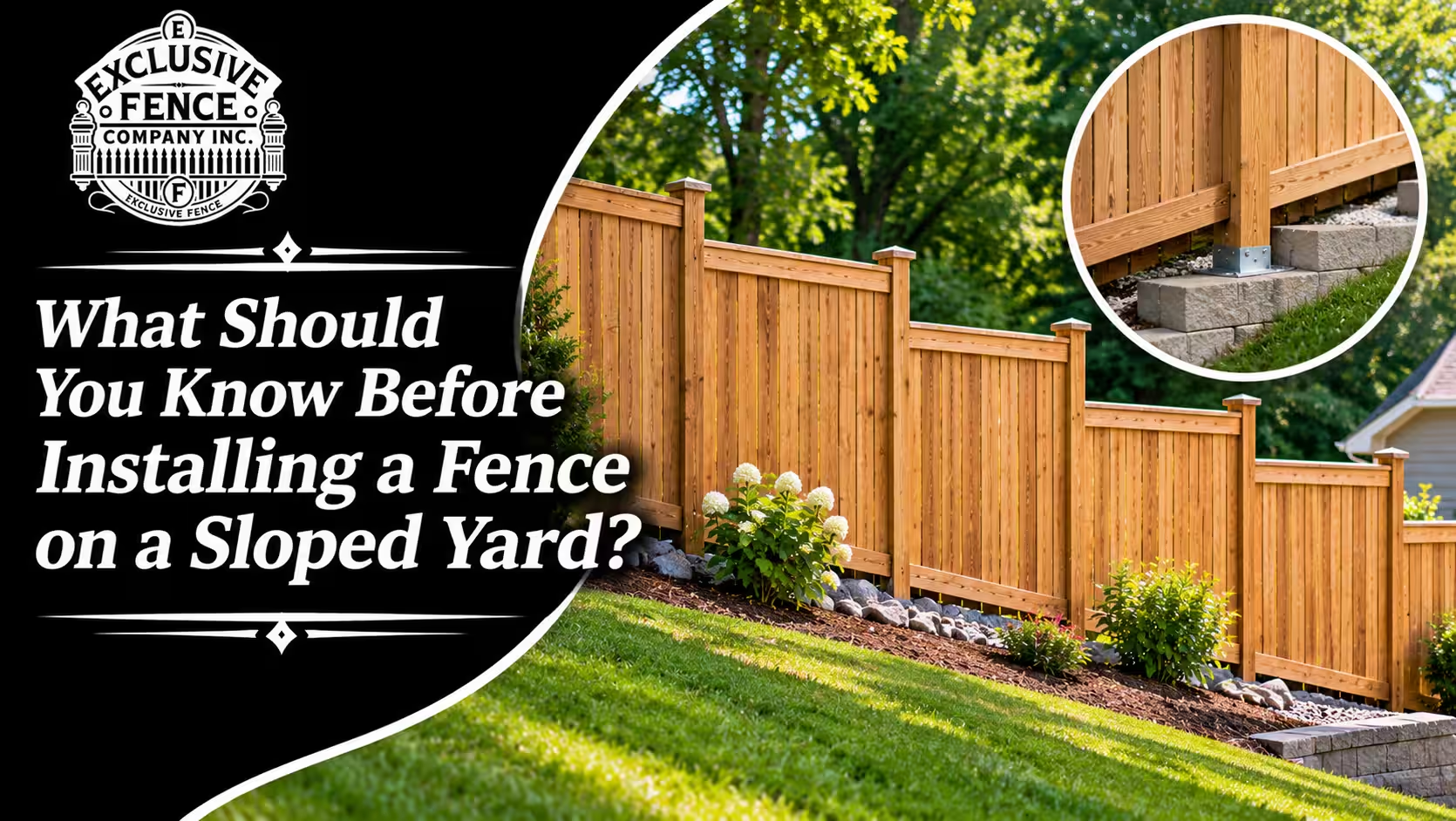
Stepped fence installation keeps each panel level and raises or drops it at the posts, which gives the fence a stair-step look. It works well with prefabricated panels that can’t flex and often suits steeper or changing grades. The catch is a triangle-shaped gap under the downhill end of each panel.
How Does Racked Fence Installation Work?
Racked fence installation tilts the panel so the rails run with the slope while the pickets and posts stay plumb. On a gradual hill, you get one continuous line with a more even gap underneath. Not every fence panel can rack, though. Manufacturers set an adjustment range for each product, and forcing a panel past it can twist the section.
Here’s how the two methods compare.
| Comparison | Stepped Fencing | Racked Fencing |
| Panel position | Panels remain level | Panels follow the slope |
| Appearance | Stair-step pattern | Continuous angled line |
| Suitable terrain | Often useful for steeper or changing grades | Often suitable for gradual slopes |
| Ground gaps | May leave larger gaps beneath panels | Usually follows the terrain more closely |
| Material compatibility | Works with many rigid panel systems | Requires panels designed to accommodate an angle |
| Planning needs | Panel height and transition planning | Panel angle and grade compatibility |
Use the table as a reference rather than a final answer. Your installer should check the real grade and the exact panel system before choosing a method.
Which Fence Materials Are Suitable for Sloped Yards?
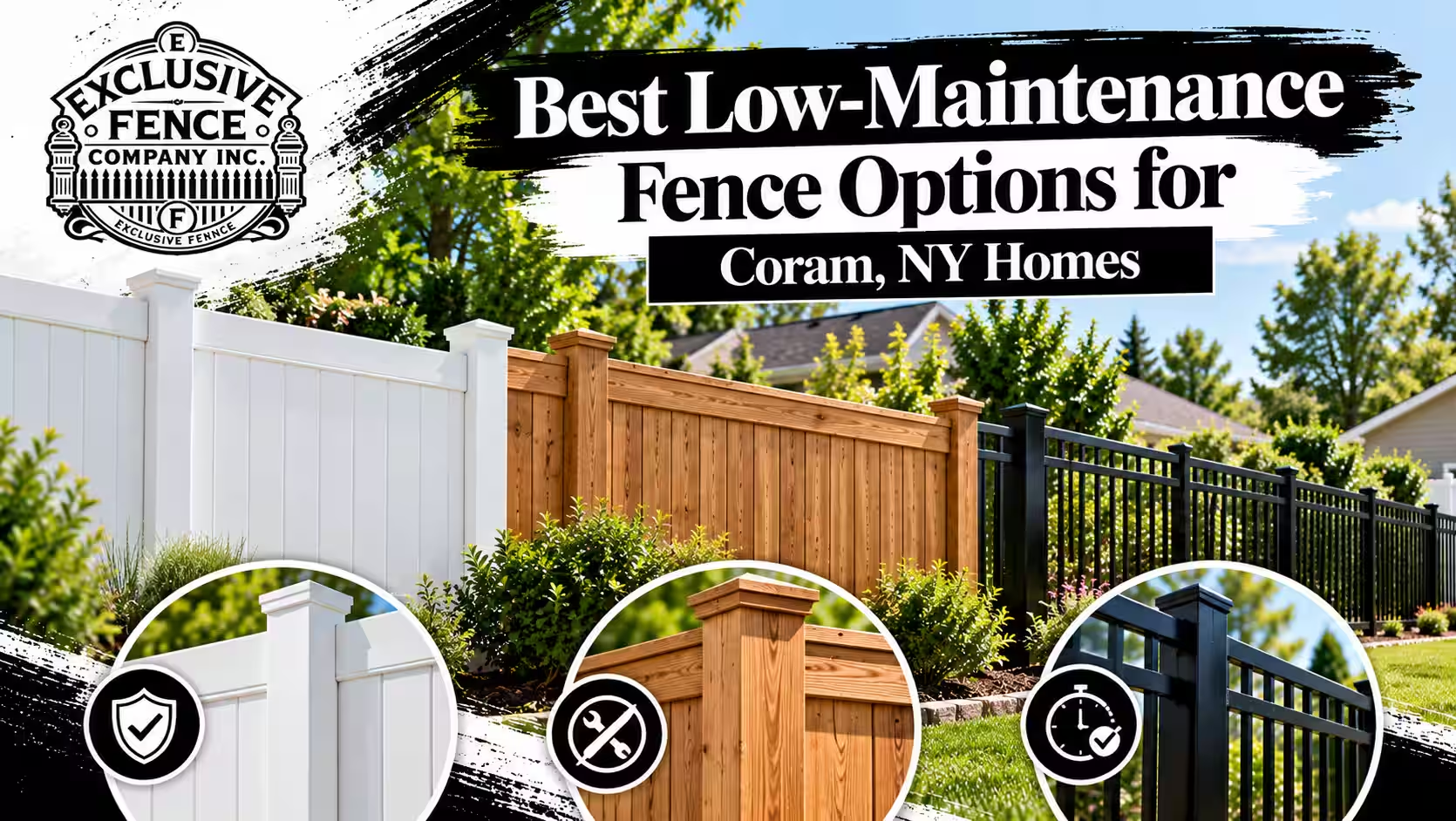
In sloped yard fencing, material choice decides how easily a fence follows the ground. Some systems angle with a slope, while others need a stepped layout or specially designed panels.
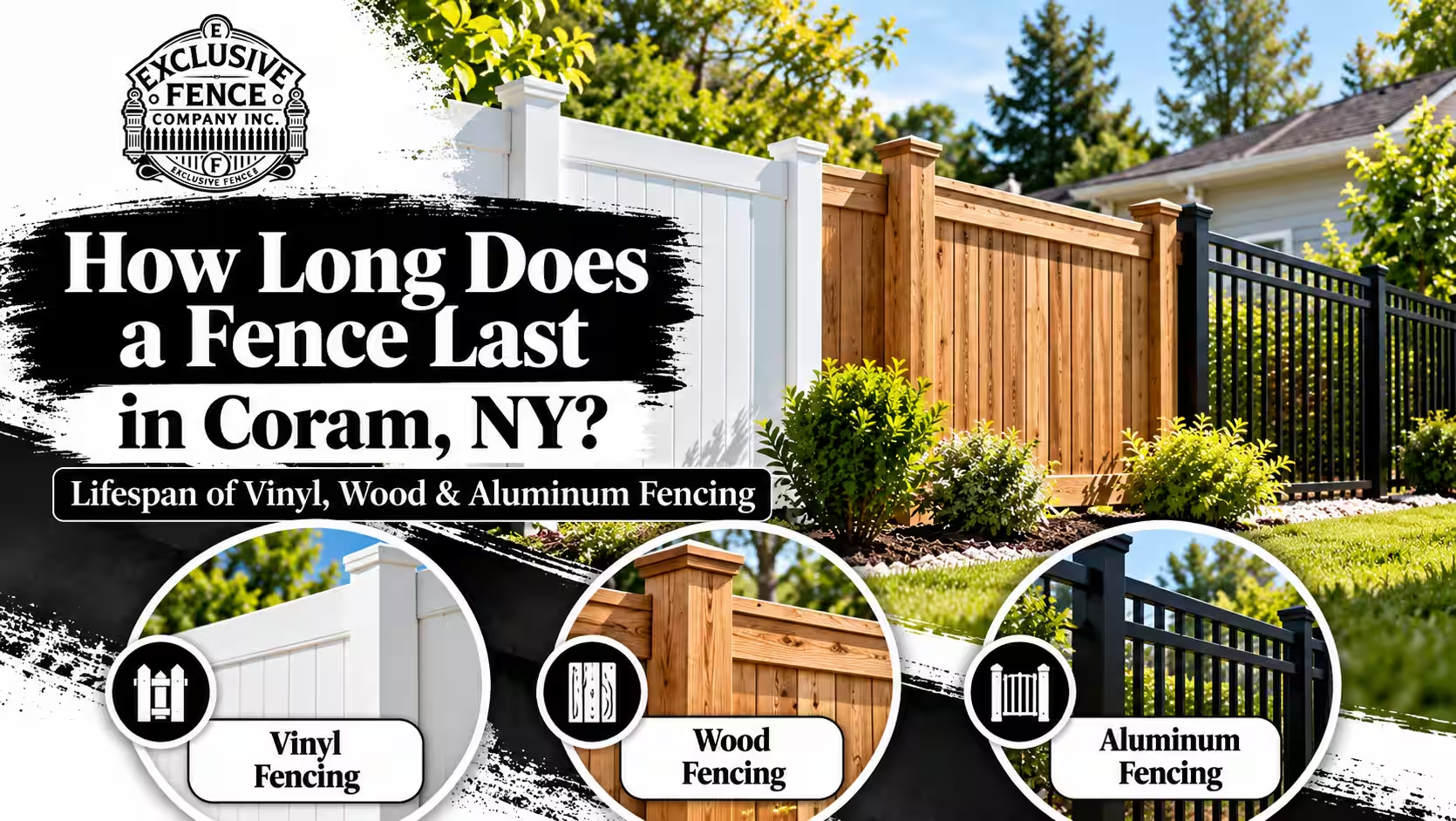
Wood Fencing
Wood is the most flexible option because crews cut separate rails and boards to fit the grade. Stepped and racked layouts can both work depending on the design. Plan the bottom edge early so boards don’t sit in damp soil.
Vinyl Fencing
Vinyl can work on a slope, but each panel system has its own manufacturer-defined racking limit. Many preassembled vinyl panels are hard to modify in the field, so a stepped layout often suits them better.
Aluminum Fencing
Many aluminum systems are built to rack, with rails that pivot so the pickets stay vertical as the panel angles. That keeps the design consistent on gradual ground. Product specs still decide how far each panel can angle.
Choosing a Material Based on the Property
Match the material to your property rather than a catalog photo. Weigh slope severity and how much privacy you need against the look you want and the upkeep you’ll accept. Then confirm the panel works with your grade before you commit.
How Should Ground Clearance and Gaps Be Managed on a Slope?
Uneven ground leaves gaps under fence panels, and level stepped sections usually show the biggest ones.
Preventing Excessive Gaps Beneath Fence Panels
Large openings let small pets slip out and make the fence look unfinished. Your installer can shrink them by adjusting panel positions or adding a compatible bottom board. Planned landscaping can also reshape the soil there. The right fix depends on your material and the fence’s job.
Maintaining Appropriate Ground Clearance
Don’t force panels into the dirt to close every gap. Soil shifts on a slope, and grass creeps up against a low bottom rail. Rainwater also needs a path, and a fence that blocks it can hold runoff against the uphill side. Aim for clearance that keeps unwanted openings small and still lets water move.
What Site Preparation Is Needed Before Installing a Fence on Uneven Ground?
Solid prep catches layout mistakes before they turn into crooked posts and wasted panels.
Assessing the Terrain and Fence Line
Find the high and low points along the run and flag any spot where the grade suddenly steepens. Stake and string the proposed fence line, then confirm it sits inside your property boundary. This terrain assessment drives the whole installation layout, so careful fence line planning saves rework later.
Planning Fence Post Placement and Foundation
Post heights change along a slope, yet every post still has to stand plumb and line up with its neighbors. Footing depth depends on your soil and local requirements as well as the fence system. Get that answer from your installer, not a generic chart.
Checking Soil Stability and Drainage
Loose or eroding soil can let posts lean over time. Watch where water runs and where it pools after a heavy rain. Lay out the fence to work with those drainage patterns instead of blocking them.
What Other Factors Should You Consider When Planning a Sloped Property Fence?
A fence has to work for daily life, so settle these points before the first post goes in.
- Gate placement: Put gates on the flattest stretch you have and check swing clearance so they don’t scrape the ground.
- Privacy and visibility: A sloped fence screens different amounts of yard from different spots, so check the view from your patio.
- Property boundaries: Confirm the exact line instead of trusting an old fence or a guess by eye.
- Local requirements: Check height limits, setbacks, and permit rules with your city or HOA before construction.
- Underground utilities: Call 811 to get buried lines marked before anyone digs post holes.
- Maintenance access: Leave room to mow and trim along both sides of the fence.
Why Is Professional Planning Important for Fence Installation on a Sloped Yard?
Sloped property fence design takes more than standard placement because each section has to suit the ground and the section next to it. One bad call at the top of the hill can throw off the whole run.
Professional planning ties these decisions together before work begins. An installer measures the grade and picks a stepped or racked layout your fence system can handle. Post placement, panel alignment, and ground clearance become one plan. Soil stability, drainage, and gate locations fit into that same plan. Sloped-yard work is part of the broader fence installation process, and addressing it early prevents awkward transitions and gaps.
FAQs
Can You Install a Fence on a Steeply Sloped Yard?
Yes, you can usually install a fence on a steep slope with the right layout. The layout depends on slope severity, the material, and the panel design. Steeper grades often call for stepped sections, and some properties need a custom layout for sharp elevation changes.
Is Stepped or Racked Fencing Better for Uneven Ground?
Neither method is better across the board. Racking tilts the panel to follow a gradual slope and gives you a smoother line. Stepping keeps panels level, which suits rigid fence systems and ground where level sections make more sense. Product specs matter because not every panel can rack.
Does a Fence on a Slope Need Different Post Placement?
Yes, posts on a slope often need adjustment. Height, spacing, and alignment may change to match the elevation, and downhill posts often need to be longer. Foundation needs also depend on your soil and local conditions, so your installer should set them for your specific yard.
Final Thoughts
A fence on a slope comes out right when you measure carefully and choose the right installation method. It also needs a material that suits the grade and a plan for drainage and ground clearance. Stepped and racked fencing solve different problems, so let your actual terrain make the call. Homeowners who want help planning a sloped-yard fence can contact Exclusive Fence Company INC. to discuss their property and options.