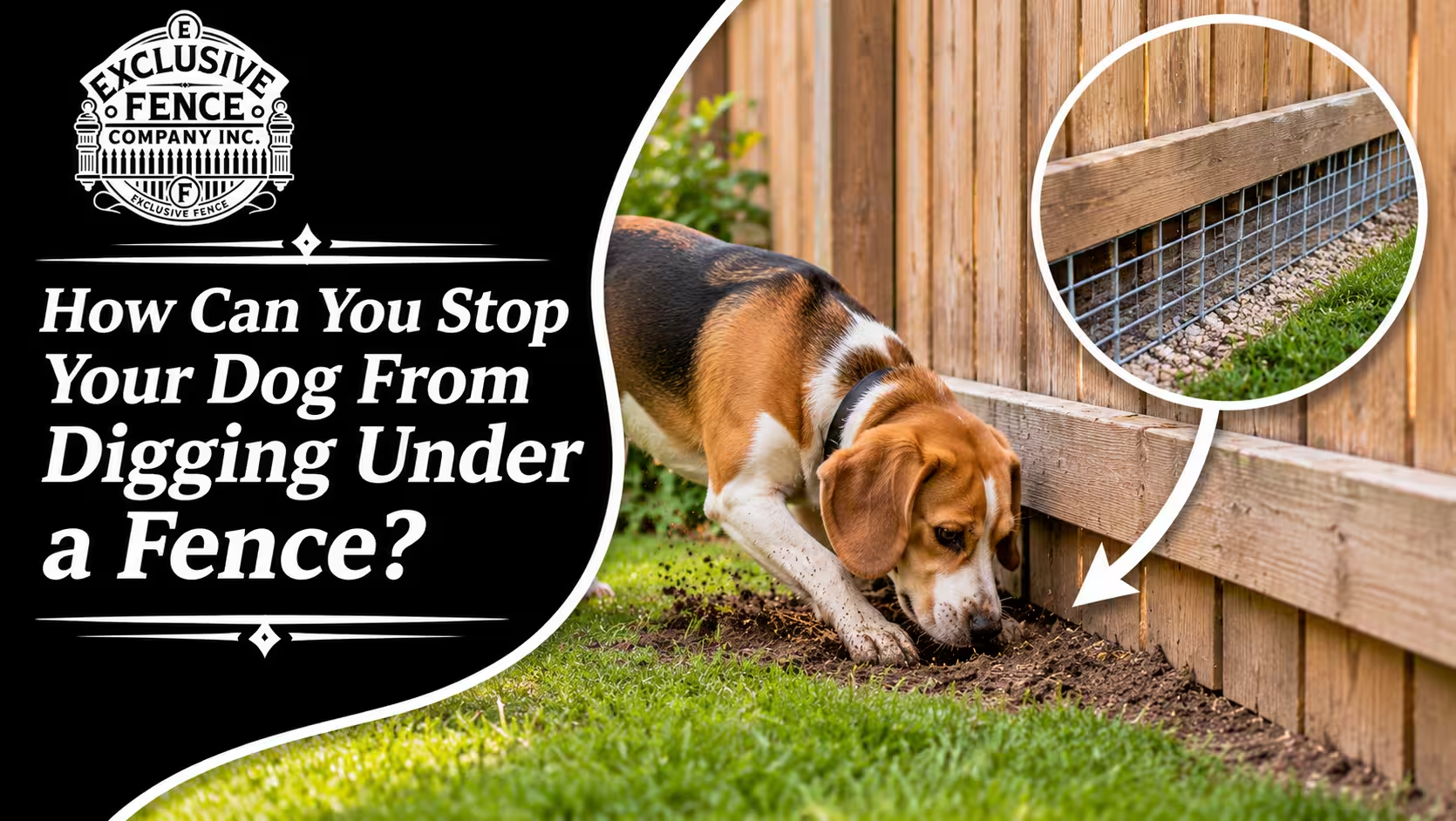
Secure the ground beneath your fence and address why your dog keeps digging. That’s the most practical way to stop dog digging under fence lines for good. A dog digging under a fence can open a hole wide enough to crawl through in one afternoon. Once your dog finds that escape route, it will usually go back to it. Buried mesh barriers and a reinforced fence bottom take away the easy path, and so does cutting down the clearance under the panels. A dog-proof fence holds up best when your dog also gets enough exercise and supervision. Below, you’ll learn why dogs dig and how to spot weak points. You’ll also see which barriers work and how to keep them working.
Why Do Dogs Dig Under Fences?
Dogs dig for very different reasons, and the reason shapes the fix. Good dog behavior management starts with figuring out what’s actually driving your dog toward the fence line.
- Boredom and extra energy: A dog with nothing to do in the yard will invent a job, and digging is an easy one.
- Curiosity: Squirrels and rabbits pull a dog toward the fence, along with new smells and people walking past.
- Wanting to reach something: Some dogs dig to get to another dog or a sound on the other side.
- Anxiety: A dog that panics when you leave may dig at the fence to try to follow you.
- Heat: Fresh soil feels cooler, so some dogs scrape out shallow beds on hot days.
The same hole can come from completely different motives. Watch when and where your dog digs before you assume anything. Digging right after you leave points to stress, while digging at the corner nearest the neighbor’s dog points to escape. Those clues make your dog digging prevention and animal escape prevention much more targeted.
Inspect the Fence Line for Potential Escape Routes
Walk the entire fence, not just the spot your dog already tore up. Dogs usually work one weak point, but a determined dog will hunt for the next one as soon as you close it. A full lap shows you every ground-level fence gap before your dog finds it, which makes it the first step in real fence perimeter security.
Check these spots as you go:
- Gaps between the fence bottom and the dirt
- Loose or broken bottom rails and panels
- Low areas where rain has washed soil away
- Corners, fence ends, and both sides of every gate
- Mulch beds and soft garden soil that dig easily
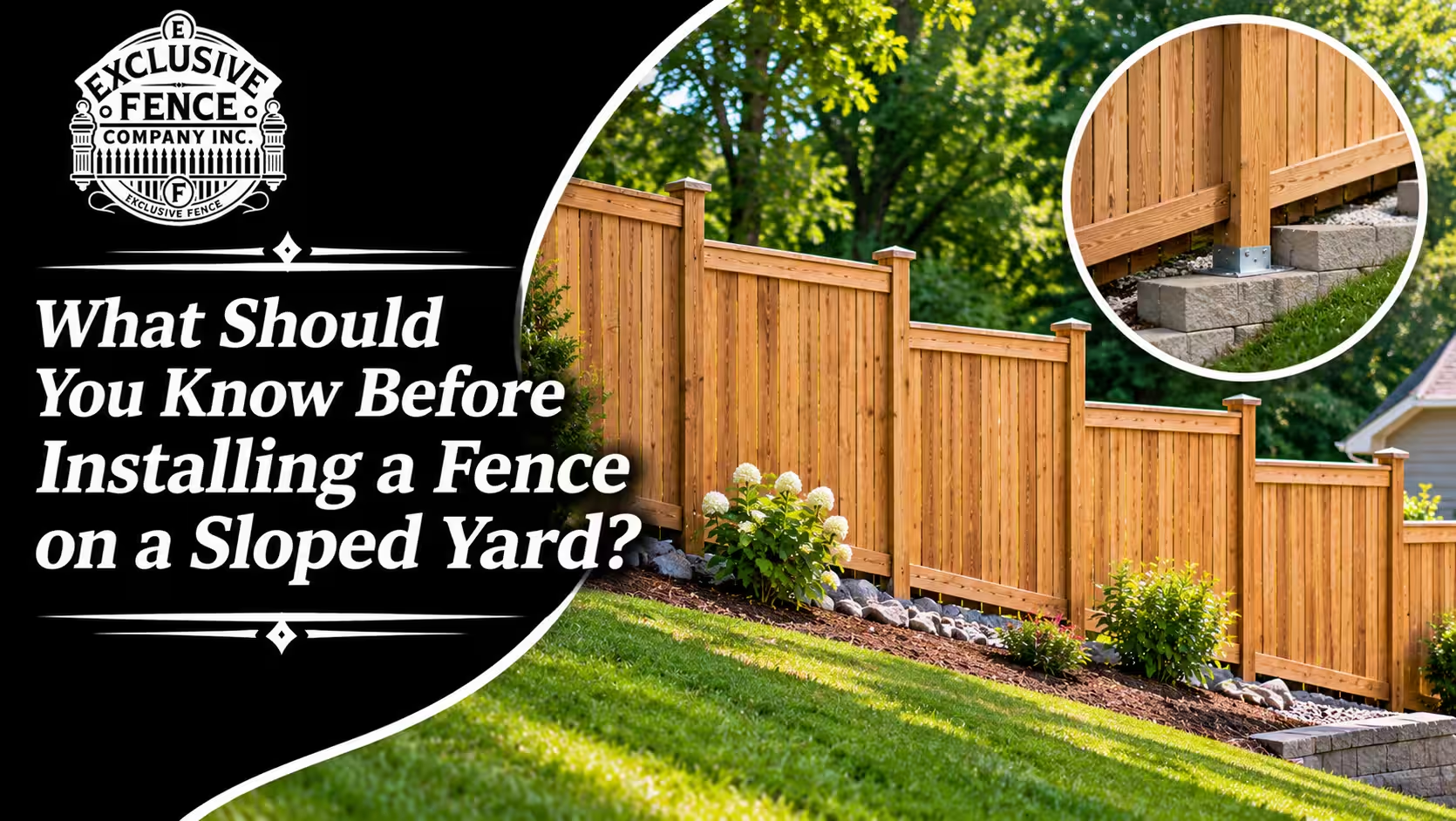
Pay close attention to slopes. A fence on uneven ground often leaves a wedge-shaped fence bottom gap on the downhill side of each panel. Fence ground clearance of a few inches may not look like much, but a small dog can squeeze through, and a big dog can widen it fast. Any spot where your hand slides under the fence needs fence base protection.
Which Physical Barriers Can Stop Dogs From Digging Under a Fence?
A good barrier keeps your dog’s paws away from the soil right under the fence. The right choice depends on your fence’s construction, your soil, and how hard your dog digs. Before you put a shovel in the ground, call 811 so the utility companies can mark any buried lines.
Install a Buried Wire Mesh Barrier
Buried wire mesh is the classic dog fence bottom barrier. You set welded wire mesh or sturdy hardware cloth into a trench along the fence and fasten the top edge to the fence itself. Many installers bend the buried part into an L that points into the yard. A dog that digs at the fence then hits wire instead of dirt. Fold or cover every cut edge so no sharp wire can catch a paw or a nose.
Add a Surface-Level Fence Dig Guard
A fence dig guard is a mesh apron that lies flat on the ground along the inside of the fence. You attach one edge to the fence bottom and pin the rest down with ground anchors or landscape staples. Grass grows up through it over time. It lets you fix problem sections without replacing the fence. Pin it tight, because a loose apron can lift up or expose sharp ends.
Consider a Solid Fence Base
A concrete curb or mow strip along the fence closes the gap with something your dog can’t dig through. Large pavers set into the soil can do a similar job. Solid bases need a plan for water, since rain that can’t drain past them may pool and soften the soil nearby. Clay soil and sloped yards make drainage a bigger concern.
How to Reinforce Chain Link and Vinyl Fences Against Digging
Chain link and vinyl fail at the bottom in different ways, so each needs its own fix. Whatever you add should strengthen the base without straining the posts or panels.
Reinforcing a Chain Link Fence
A chain link fence flexes near the ground, which lets a dog push under it. A bottom tension wire pulled tight between posts cuts down on that movement. A chain link bottom rail adds even more stiffness where the fence design allows one. You can tie a mesh barrier to the bottom of the fabric with hog rings so it runs down into the ground. Crimp every ring and tuck every wire end out of reach.
Reducing Digging Gaps Beneath Vinyl Fencing
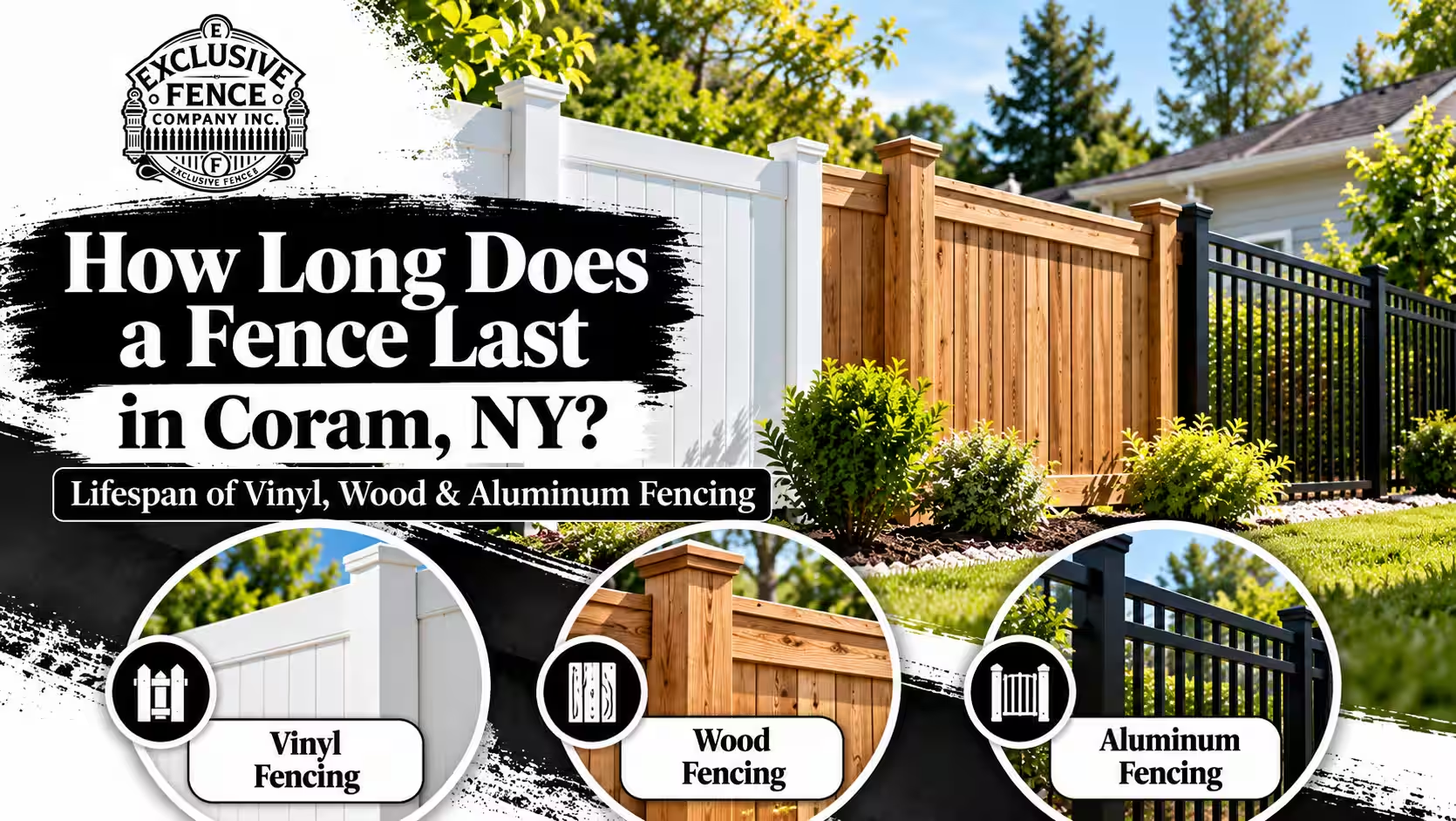
A vinyl fence usually sits slightly above grade, and uneven ground can turn that space into a real vinyl fence ground gap. Filling low spots with compacted soil is the simplest first step. A buried mesh barrier or fence base extension can close what’s left. Check that anything you attach suits your panels and won’t affect the manufacturer’s warranty. If the gaps run along long stretches, resetting or replacing those sections may make more sense.
How to Address Dog Digging Without Unsafe Deterrents
A barrier protects the fence, but it doesn’t change why your dog wants to dig. A bored or anxious dog will keep testing the fence line, so the behavior side matters just as much.
- More exercise: Daily walks and play sessions burn off the energy that turns into digging.
- Supervised yard time: Stay outside with your dog while you break the habit so you can redirect it right away.
- Enrichment: Puzzle feeders and scent games give your dog’s nose and brain real work to do.
- A legal digging spot: Set up a sandbox far from the fence and bury a few toys there. Praise your dog or hand over a treat when it digs in the right place.
- Professional help: Constant digging when you leave, or other signs of distress, are worth raising with your veterinarian or a qualified behavior professional.
| Safety note: Never use toxic sprays, buried sharp objects, or painful collars to stop digging. Any of these can seriously injure your dog, and no pet containment plan is worth that risk. Stick with pet-safe materials and positive dog escape prevention. |
How to Keep a Reinforced Fence Secure Over Time
Walk the fence line once a month and after every heavy storm. Soil settles, and dogs keep testing, so a barrier that worked in spring can have a gap by fall.
- Look over the buried mesh and the clips or rings that hold it
- Check under gates, where gaps often open first
- Fill washouts and low spots after heavy rain
- Fix loose rails and torn mesh right away
- Recheck every spot your dog has dug before
Quick repairs keep your fence perimeter reinforcement doing its job. Steady checks are what turn a patched fence into secure backyard fencing with lasting fence digging protection.
FAQs
These are the questions homeowners ask most once they start working on the fence line.
What Is the Best Material to Put Under a Fence to Stop Dogs From Digging?
Welded wire mesh and sturdy galvanized hardware cloth are the most common choices for a buried mesh barrier. Galvanized or coated wire resists rust better than plain steel. Either material only works if you fasten it securely to the fence and cover every sharp edge.
How Deep Should a Dog Digging Barrier Be?
No single depth fits every yard. A light digger may give up at a shallow barrier, while a determined escape artist may need a deeper trench with an L-shaped bend. Your soil type and fence design also affect how far down the mesh should go. Watch how deep your dog actually digs and plan your barrier to go past that.
Can Dogs Still Dig Under a Chain Link or Vinyl Fence?
Yes, they can. Chain link without a tension wire or rail can flex at the bottom, and vinyl panels often leave gaps over uneven ground. Erosion and missing reinforcement give dogs a head start under either style.
Final Thoughts
Real dog escape prevention takes a secure fence bottom and attention to why your dog digs. A barrier that matches the fence you already have will hold up far better than a quick patch. If you aren’t sure what your fence needs, a professional assessment can point you toward the right reinforcement. Exclusive Fence Company INC can talk through options that keep your dog safely in your yard. Reach out whenever you’re ready to talk it over.