Nobody wants to spend every other spring sanding and staining a fence. You put one up to make the yard work better, not to add a chore. Some materials ask for care year after year. Others need little more than a garden hose and a quick look now and then.
Choosing a low-maintenance fence in Coram, NY, takes more than reading a care label. Privacy and looks count, and so does how your family really uses the yard. This guide starts with vinyl/PVC fencing. Aluminum and chain-link follow, and wood serves as a reference point.
What Makes a Fence Low-Maintenance in Coram, NY?
A low-maintenance fence cuts out the big jobs that keep coming back, like painting and staining. It doesn’t erase every task, though. You’ll still rinse the panels sometimes and walk the fence line looking for trouble. What changes is how often you pick up a tool.
Resistance to Moisture, Sunlight, and Weather
Water is the main enemy of most fences. Rain soaks the panels while wet soil sits against the posts. Poorly protected material rots or rusts. Sunlight fades color and wears down some finishes. Long Island winters add freeze-thaw cycles and coastal wind, and an exposed corner lot feels it most. Powder coating on aluminum and UV inhibitors in vinyl both slow this damage.
Cleaning, Repairs, and Long-Term Upkeep
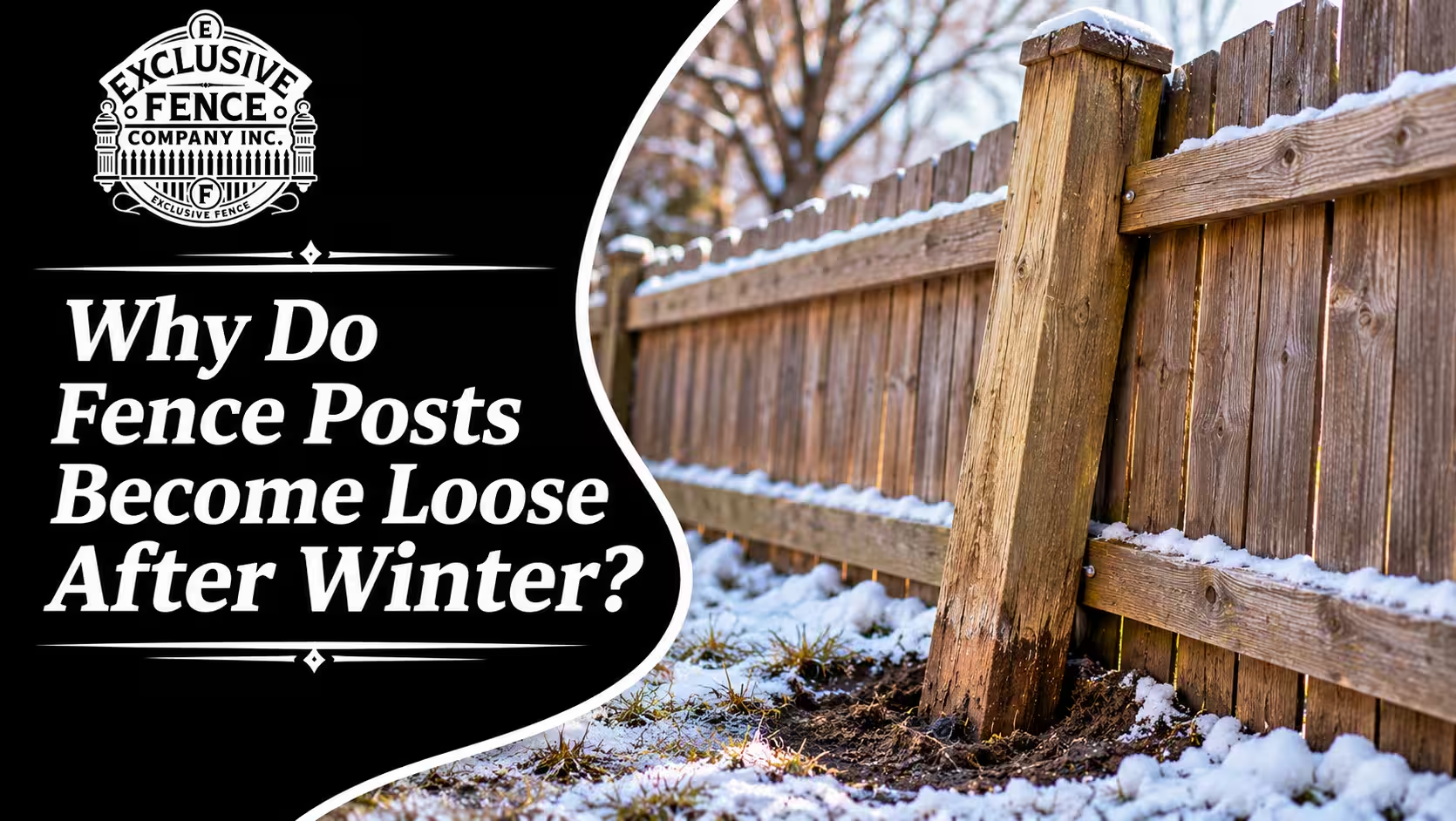
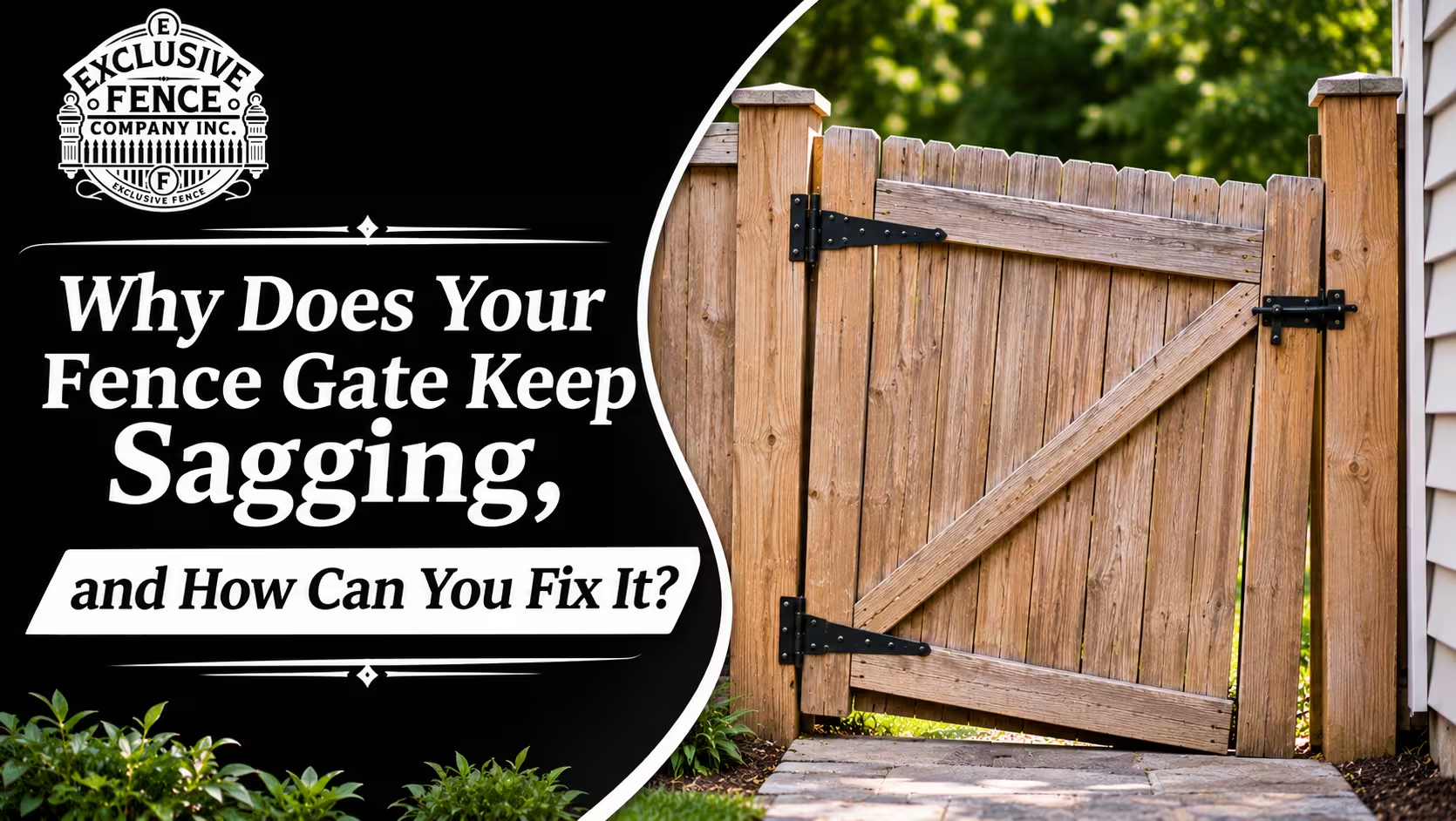
Cleaning and refinishing are different jobs. Cleaning takes a hose and a soft brush, while refinishing means sanding and re-staining every few years. Low-maintenance materials let you skip that second job. Panels aren’t the whole story, though. Gates sag. Hinges work loose, and posts can shift after a wet winter.
Is Vinyl or PVC Fencing a Good Low-Maintenance Choice?
Vinyl is the material most homeowners ask about first because it pairs privacy with light upkeep. Solid panels block the view from the street and from next door. The material shrugs off wet weather and never needs paint. For a busy household, that saves a lot of weekends.
Why Vinyl Fencing Requires Less Routine Upkeep
Vinyl and PVC describe the same type of fencing. PVC stands for polyvinyl chloride, the plastic in the panels. A vinyl fence in Coram, NY, is a PVC fence. It won’t rot, and termites have nothing to eat. To clean it, hose it down and scrub grimy spots with a soft brush and mild soapy water. Skip harsh solvents and abrasive pads.
What Homeowners Should Still Check
White vinyl doesn’t hide dirt, and mildew shows up fast on the shady side. Impact damage is the bigger worry. A stray baseball or careless snowblower can crack a panel, and vinyl gets less flexible in deep cold. Look for cracks and loose post caps, and swing each gate to test the latch. Wall thickness and UV protection vary by product.
Does Aluminum Fencing Require Less Maintenance Than Other Materials?
Aluminum suits homeowners who want an open, decorative fence. It often looks like wrought iron, but the difference shows up over time. Real iron needs scraping and repainting as rust creeps in. Aluminum skips most of that, so you keep the classic look without the classic chores.
Rust Resistance and Simple Cleaning
Aluminum doesn’t rust the way iron or untreated steel does. It forms a thin oxide layer that protects the metal underneath, and most home fencing adds a powder-coated finish. Salt air and contact with other metals can still cause corrosion. Touch up deep scratches with the maker’s recommended product. Wash with mild soap when it looks dusty, then check screws and picket joints.
Where Aluminum Fencing Works Best
Aluminum shines anywhere the view matters. Front yards are a natural fit. Privacy is the tradeoff. Most picket designs leave gaps people can see right through. If you value an open look and simple upkeep, an aluminum fence in Coram, NY, makes a lot of sense.
Is Chain-Link Fencing Another Easy-Maintenance Option?
Chain-link won’t win any beauty contests. It still does the job. It marks a clear boundary and keeps pets out without ever needing a stain. For plenty of Coram backyards, that plain usefulness is the whole point. Just know up front what you trade for that easy care.
What Routine Care Does Chain-Link Need?
Most home chain-link is galvanized, meaning the steel wire has a zinc coating that fights rust. Some products add vinyl on top, and heavier coatings generally resist corrosion longer. Your job is mostly inspection. Check for rust near the ground, where soil holds moisture. Make sure posts stand straight and ties hold the mesh tight. Test the gate hardware too.
Privacy and Appearance Considerations
Standard chain-link is see-through by design. That’s great for keeping an eye on the dog, but it offers little privacy. Slats woven into the mesh or fabric screens can block more of the view. Both add upkeep. Slats can fade, and screens can work loose in the wind.
How Do Vinyl, Aluminum, and Chain-Link Fences Compare?
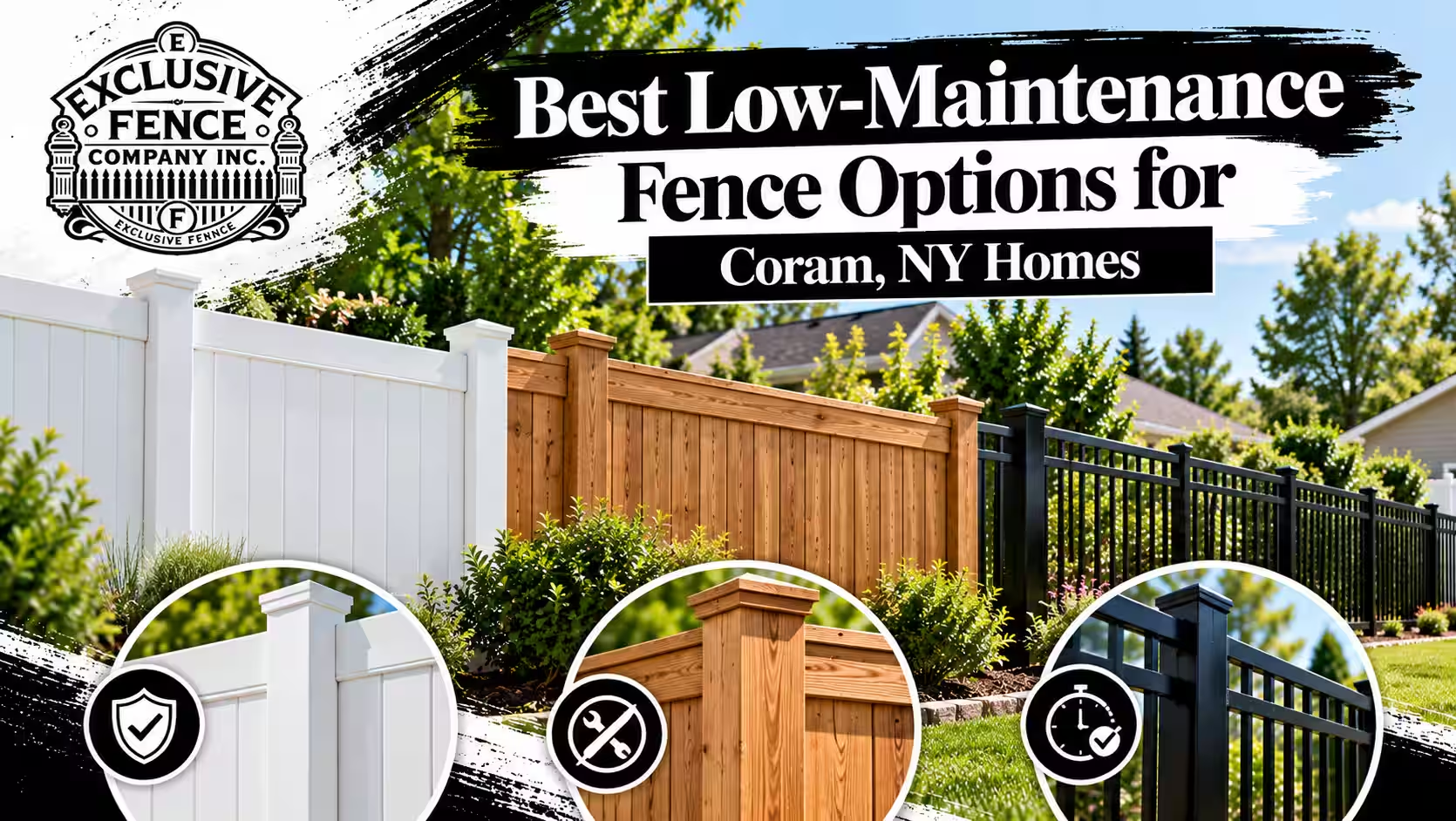
The fence with the least upkeep isn’t always the right one for your yard, since each material solves a different problem. The table lines them up side by side. Wood sits in the last row so you can see how much care you’d save by switching.
| Fence material | Routine maintenance | Main strengths | Main consideration |
| Vinyl/PVC | Occasional washing and inspection | Privacy; no painting or staining | Impacts can crack panels |
| Aluminum | Occasional cleaning and finish checks | Rust resistance; open look | Limited privacy |
| Chain-link | Inspection and occasional cleaning | Practical boundary | Little privacy |
| Wood | Cleaning plus regular refinishing | Natural look; privacy options | More recurring care |
Vinyl/PVC makes sense when privacy and low upkeep both top your list. Aluminum fits decorative front boundaries. Chain-link works for pet areas and practical property lines. Wood still suits anyone who loves a natural look and doesn’t mind the extra care. Real-world upkeep also depends on the product and the install.
How Should Coram Homeowners Choose the Right Low-Maintenance Fence?
Start with what the fence has to do. Maintenance matters, but it comes second to how you use the space. An easy-care fence that’s wrong for the yard is still the wrong fence. Picture a normal week out back, then work backward to the right material. If you’re replacing an older fence rather than installing one for the first time, our fence replacement guide for Coram homeowners covers the signs that replacement makes sense, what affects the cost, and how to compare materials.
Consider Privacy, Appearance, and Property Use
Want to grill without an audience? Solid vinyl panels are the obvious place to start. A front yard with an open view usually suits aluminum better, while chain-link earns its keep around dog runs. Think about gates early. They take more wear than any other part of a fence, so plan their spot and hardware carefully.
Look Beyond the Material Name
The word “vinyl” on an estimate tells only half the story. Ask how the panels are built and what finish protects them. Ask about gate hardware and replacement parts. Get the cleaning steps too. Installation counts just as much, since well-set posts stay straight through wet winters. Before you commit, check neighborhood rules and confirm local requirements with the Town of Brookhaven.
What Basic Maintenance Helps a Low-Maintenance Fence Last?
Even the toughest fence lasts longer with a little attention. A slow walk along the fence line catches small problems while they’re still cheap to fix. How often you check depends on the material and the maker’s instructions. Your property’s shade and soil play a part too. For a better idea of how these factors affect long-term durability, our fence lifespan comparison explains how vinyl, wood, and aluminum fences age under different conditions.
- Wash off dirt and surface buildup when needed.
- Clear away leaves and soil piled against the fence.
- Check panels and posts for movement or damage.
- Test each gate’s hinges and latch.
- Fix scratches or coating damage before it spreads.
- Follow the manufacturer’s care guide.
Frequently Asked Questions
What Is the Lowest-Maintenance Fence Material for a Home?
Vinyl/PVC and aluminum are both strong picks, and neither needs regular painting. Vinyl fits best when you want privacy, while aluminum suits an open look. Chain-link is also practical when a see-through boundary works for you. Your top priority for the fence should guide the final call.
Does Vinyl Fencing Need to Be Painted or Sealed?
No. Ordinary home vinyl fencing doesn’t need routine painting or sealing. The color runs through the material, so there’s nothing to peel or flake. You should still wash it when it looks grubby. Check it after big storms too. Swap out any cracked panel as soon as you find it.
Is Aluminum Fencing a Good Choice for Long Island Weather?
Aluminum works well for most Long Island homes because it resists rust and needs little more than an occasional wash. Not every product performs the same, though. Finish quality makes a difference, and so do the hardware and the install. Homes near salt water should ask how the finish handles salt air.
Final Thoughts
Each of these materials reduces upkeep in its own way. Vinyl combines low maintenance with privacy. Aluminum keeps things open and decorative. Chain-link provides a practical boundary that requires very little maintenance. The right choice depends on your yard and daily habits.
Exclusive Fence Company INC installs residential fencing across Long Island, including Coram. Its lineup includes vinyl and PVC, aluminum, chain-link, and wood fencing. To compare styles for your property, call (631) 946-4740 for a quote or discuss your options with the team.