Your fence took a beating last winter. One section now leans toward your neighbor’s yard. A post wobbles when you push it. The gate needs a hip check before it will latch. You fixed a loose board back in spring and felt good about it. Then something else broke by August. Sound familiar?
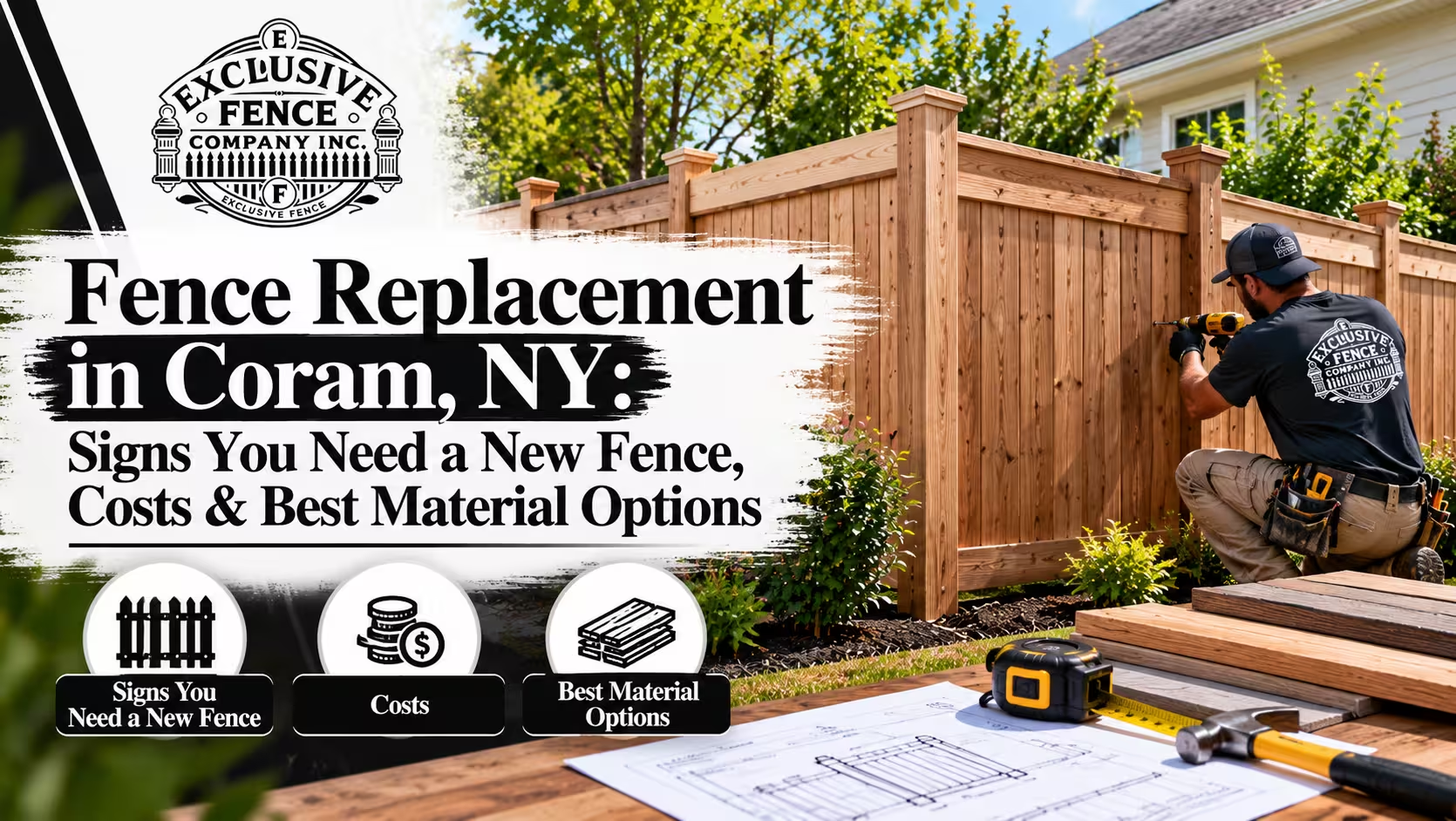
That cycle is usually when homeowners start looking into fence replacement in Coram, NY. Sometimes a few targeted repairs buy you years. Other times the whole fence is finished. We’ll cover warning signs and costs first. Then we compare materials and look at what to check before anyone digs.
What Are the Signs You Need Fence Replacement?
One cracked picket doesn’t mean the whole fence is done. Neither does one loose post. What matters is how far the damage has spread through the posts and connections. Watch whether problems keep coming back after repairs. Repeat trouble tells you more than any single broken part.
Rotting Fence Posts and Persistent Leaning
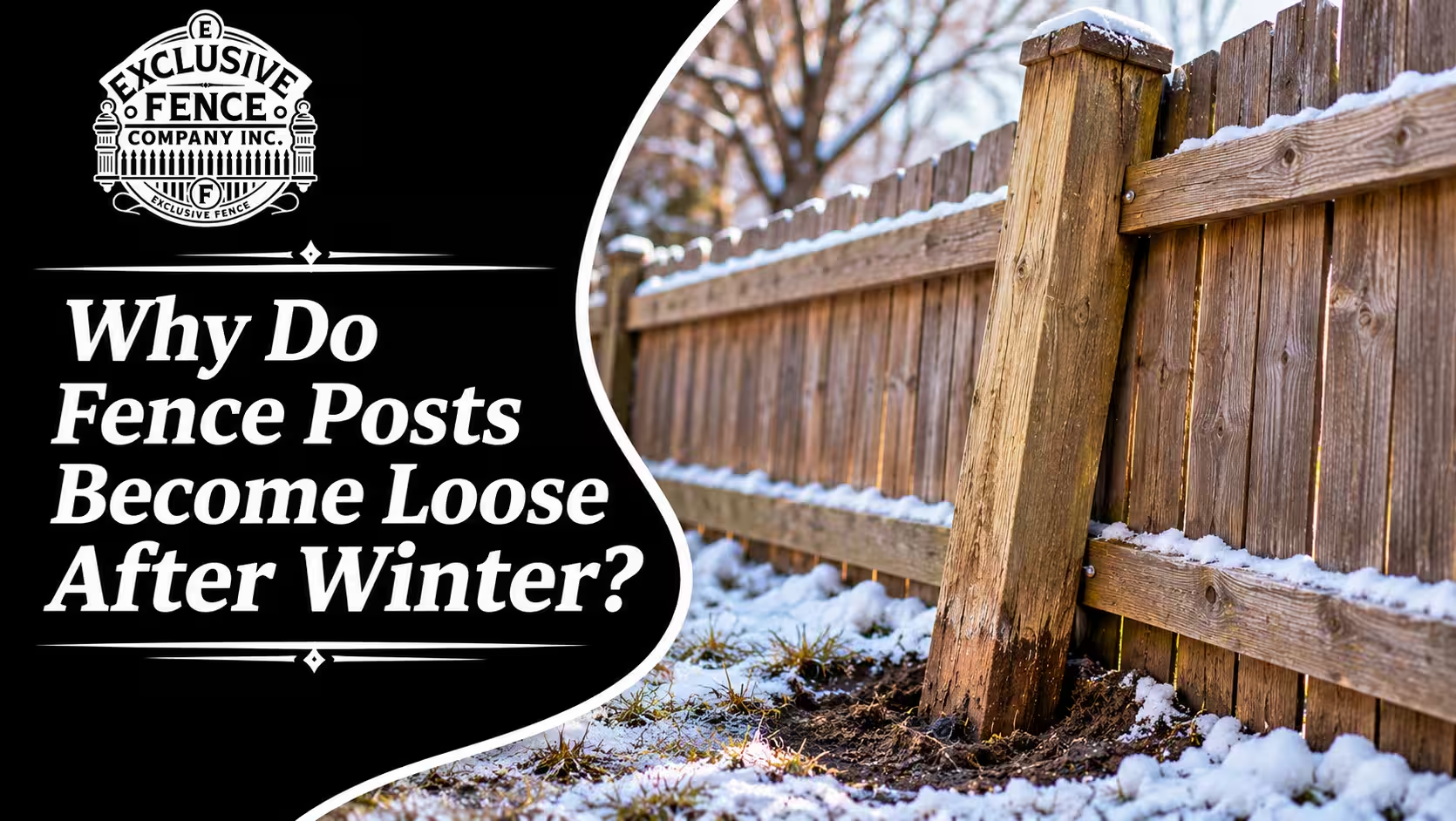
Posts carry the entire fence. Once they go soft at the ground line, nothing above stays straight. Push on a leaning section. A post that rocks or feels spongy is probably failing. One leaning post in a wet corner is a local problem. Several along one run point to aging supports. An in-person inspection tells you which you have.
Broken Fence Panels, Rails, and Connections
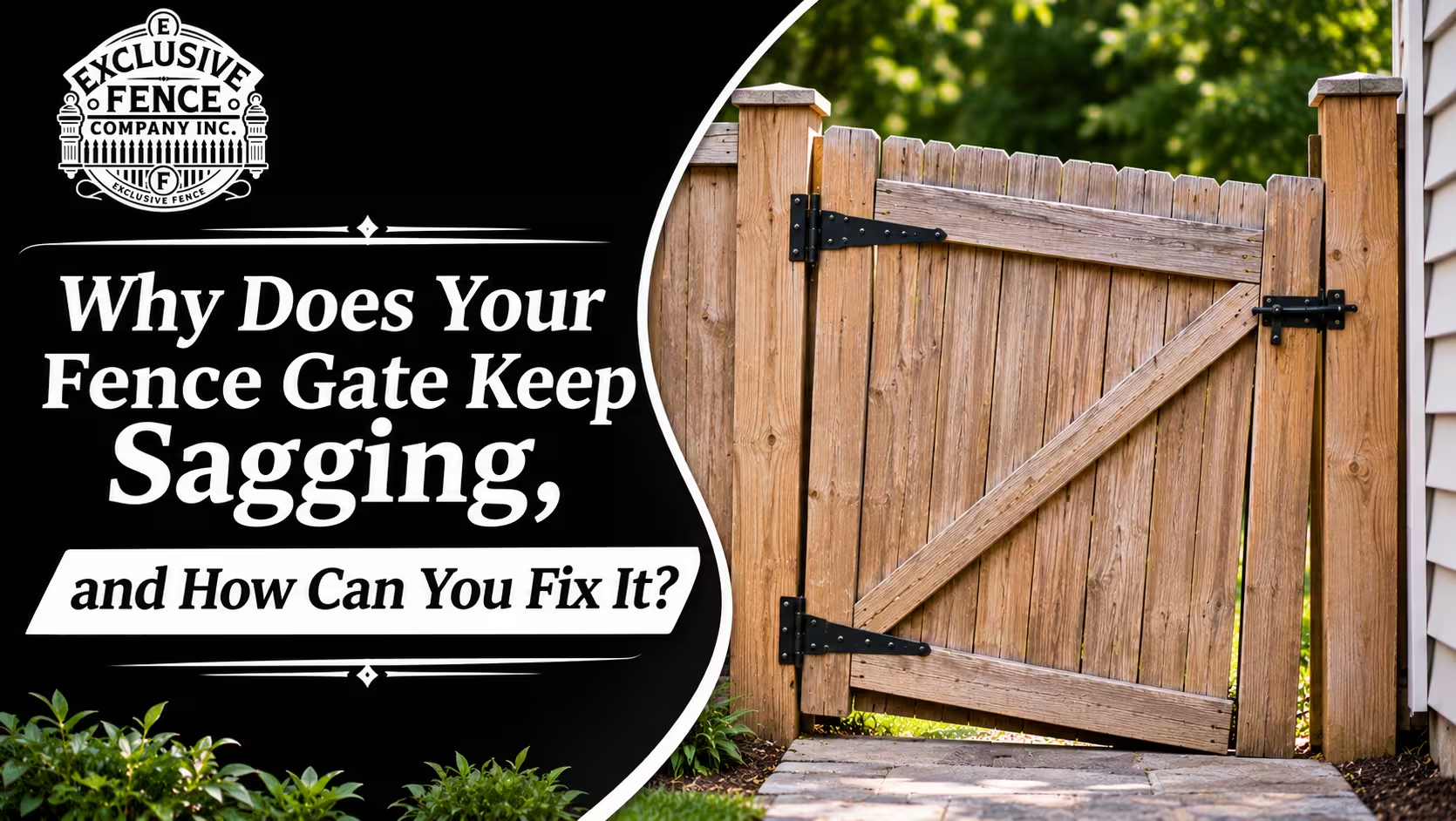
Look for split panels and loose rails. Check for rusted nails and brackets that no longer grip. Gates tell you a lot. A sagging gate that won’t latch usually means the hinge post has shifted. Sometimes the frame has twisted instead. A fence showing several of these problems at once is wearing out as a system.
Widespread Weather Damage and Fence Deterioration
Long Island weather works on a fence every season. Wind pushes against solid panels. Sun and moisture wear down surfaces. Freeze and thaw cycles can loosen footings. Still, one bad storm doesn’t mean a new fence. Watch for repeat trouble, like boards that keep warping. When damage keeps showing up in new spots, the fence is losing the fight.
Loss of Privacy, Security, or Function
Every fence has a job. Maybe it keeps the dog in the yard. Maybe it marks your property line. Gaps between boards undercut that job. So does a gate that won’t close. Sometimes your needs change instead. Perhaps you added a pool or want more backyard privacy. That counts as a good reason too.
How Much Does Fence Replacement Cost in Coram, NY?
No single price fits every yard. Most standard residential yards fall somewhere between $3,000 and $8,000, but your budget depends on the design and the material. It also depends on how much fence you need. That’s why two neighbors on the same street can get very different quotes. Neither quote is wrong. Each one reflects a different yard. For a closer look at how materials, labor, and property conditions affect pricing, our fence installation cost guide explains the expenses that can go into a new fencing project.
How Fence Material Affects Replacement Cost
Material shapes two costs. One is the upfront price. The other is long-term upkeep. Vinyl and PVC balance those costs one way. Wood lands somewhere else. So do aluminum and chain link. A tall solid privacy style also uses more material than an open design. Ask your contractor to price one layout in two or three materials.
How Fence Length, Height, and Layout Affect the Budget
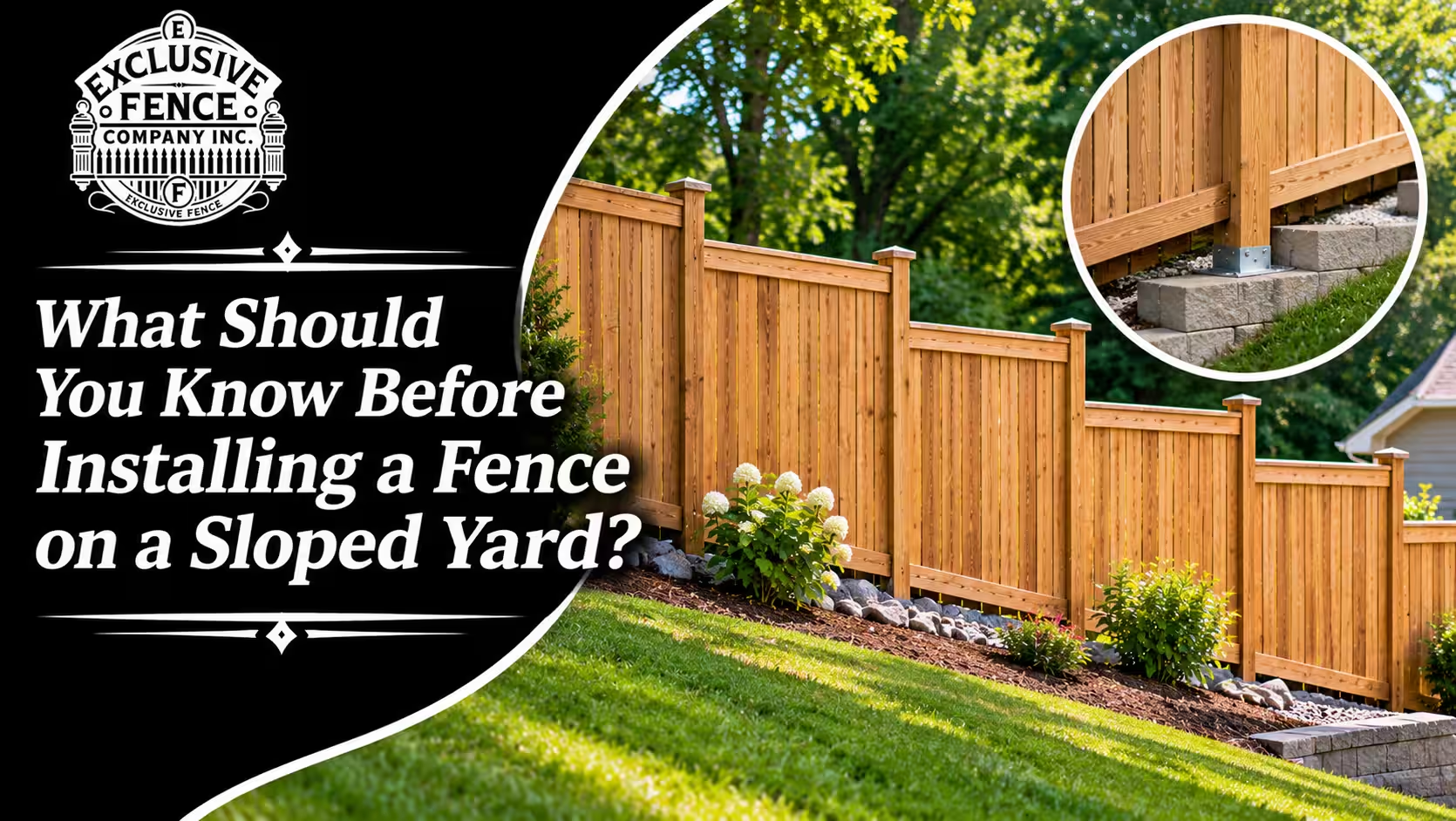
Total linear footage drives most of the math. More feet mean more posts and panels. More height does too. Layout plays a quieter role. Corners need extra posts. A sloped yard may need stepped panels that follow the grade. Every gate adds hardware and a sturdier post setup to carry its weight.
Does Removing an Old Fence Add to the Cost?
Tearing out an old fence is real work. Panels come down. Posts come out. Concrete footings sometimes get broken up. The effort depends on how the posts were set and how easy the site is to reach. Some contractors include removal and disposal in the price. Others list it separately. Read each estimate closely.
What Other Factors Can Change the Final Estimate?
A few site details can shift the number once a contractor sees the property. That’s why your real cost comes from a written estimate after an on-site visit. Online averages can’t see your soil or your slope. Here are the details that come up most often:
- Rocky soil or tree roots that slow post setting
- Tight access, such as a narrow side yard
- Posts that need replacing or reinforcement
- New gates or wider openings
- Brush clearing along the fence line
- Permit-related costs, when a permit applies
What Are the Best Fence Materials for Replacement?
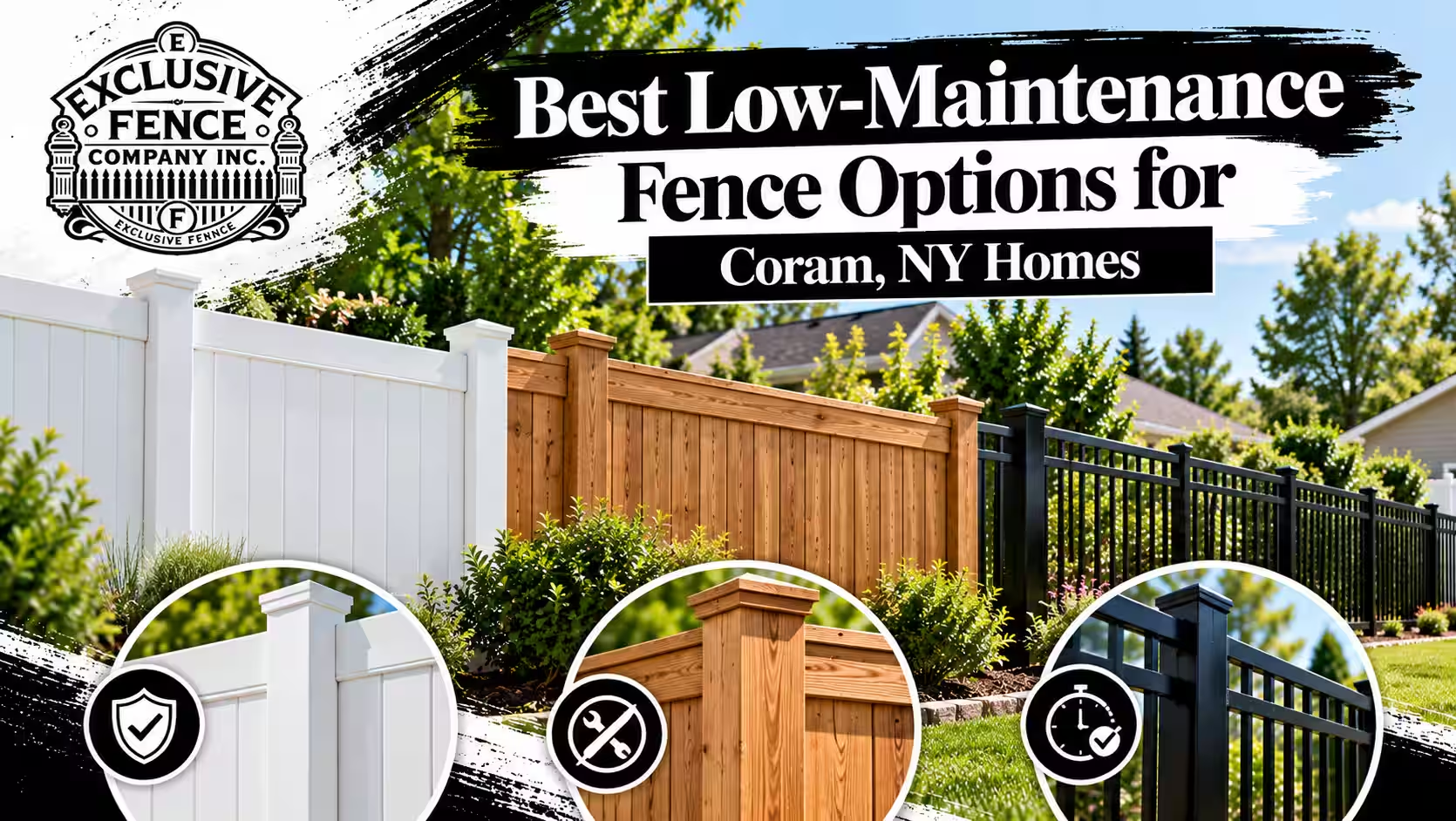
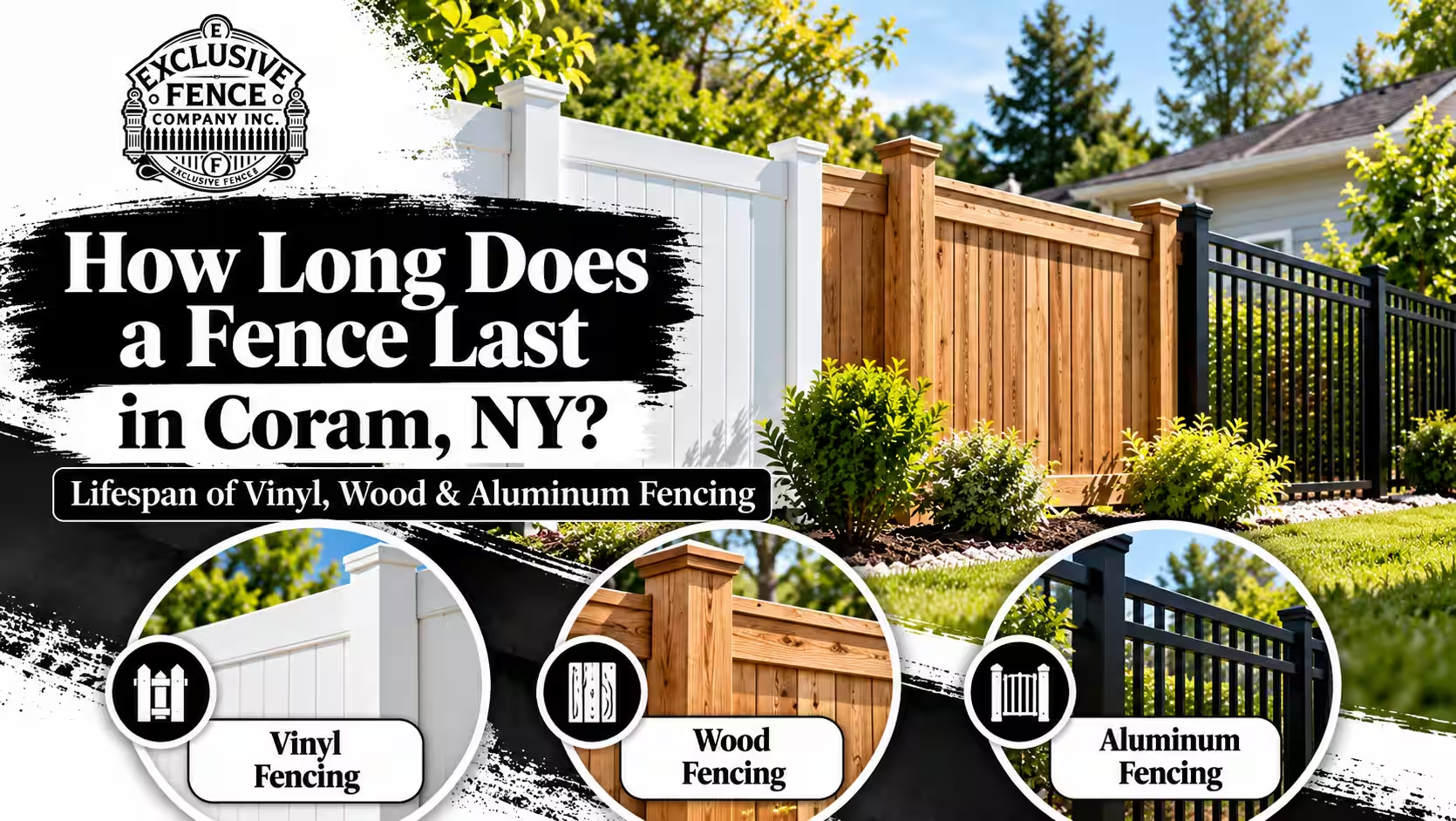
The right material depends on what you care about most. Privacy pulls you one way. Looks pull you another. No single fence wins every category. If durability tops your list, check how long different fence materials last before you commit. Want fewer chores? Explore low-maintenance fence options too.
Vinyl and PVC Fencing
Vinyl is often sold as PVC fencing. People pick it for a clean look and strong privacy. It comes in privacy, semi-private, and picket styles. Upkeep usually means an occasional rinse with a hose. That doesn’t make vinyl indestructible. Lower-grade panels can crack on impact. Poor installation can lead to sagging rails.
Wood Fencing
Wood is the classic backyard fence. People choose it for its natural warmth and the freedom to customize. You can stain or paint it to match your house. The tradeoff is care. Wood faces rain and snow all year, so it can warp or rot. Regular sealing or staining helps it hold up. If you don’t mind weekend upkeep, it’s a great choice.
Aluminum Fencing
Aluminum Fence gives you an open, decorative look. It suits front yards and boundaries where you want to keep the view. Pool areas are another common use, though pool barriers carry their own safety rules. It won’t rust like bare steel and needs little cleaning. You can see straight through it, so it won’t work as a privacy fence.
Chain-Link Fencing
Chain link is the practical workhorse of home fencing. It’s sturdy and keeps pets inside a defined space. It’s also see-through by design. A standard chain-link fence gives you containment, not privacy. Want screening? Ask about privacy slats or other compatible options. Just know they change the look. They also catch more wind.
| Fence material | Privacy and appearance | Maintenance considerations | Common reasons to consider it |
| Vinyl or PVC | Solid or semi-private panels in clean styles | Occasional washing; quality and installation matter | Privacy with little routine upkeep |
| Wood | Natural look; strong privacy in solid designs | Periodic staining or sealing; watch for moisture damage | Traditional style and custom designs |
| Aluminum | Open, decorative pickets with no screening | Light cleaning now and then | Front yards and boundaries where views matter |
| Chain link | See-through mesh; privacy only with added screening | Check for loose ties and bent sections | Practical containment for pets and back lot lines |
What Should Coram Homeowners Check Before Replacing a Fence?
Choosing a material is only part of the plan. Before the old fence comes down, pin down where the new one goes. Decide what it needs to do. Then check local rules. Coram is a hamlet in the town of Brookhaven, so the town’s rules apply.
Confirm the Property Boundary and Fence Layout
Don’t assume your old fence sits on the property line. A previous owner may have set it inside the line. Or slightly over it. Check your property survey first. If the boundary is unclear, a licensed land surveyor can confirm it. Settling this early costs far less than moving a finished fence.
Check the Town of Brookhaven Permit and Requirements
Brookhaven sets rules for fence height and placement. Some fences need a building permit. The town’s residential fence code diagram shows lower height limits in front yards than in side and rear yards. Corner lots face a tighter limit near intersections. The diagram also marks spots where a taller fence requires a permit. Call the Town of Brookhaven Building Division at 631-451-8696 to confirm what applies.
Consider Privacy, Security, and Curb Appeal
Let the fence’s purpose guide every choice. A backyard privacy fence needs height and solid panels. A front-yard fence leans toward looks, and lower height limits often apply there. For security, plan gate placement and lockable hardware with care. The design should also suit your home. Before you move forward, run through this short list:
- Confirm the intended fence layout and boundary.
- Check Town of Brookhaven rules and any HOA requirements.
- Identify the main purpose of the replacement.
- Think about gate locations and the view from your neighbor’s side.
How Do You Plan a Successful Fence Replacement Project?
Good planning makes estimates easier to compare. It also makes surprises less likely once work begins. You don’t need a binder or a fancy spreadsheet. A few clear decisions up front will do. They help every contractor quote the same job. That makes the answers easier to judge. If replacing your old fence also means changing its layout or choosing a different style, our fence installation guide for Brookhaven covers the broader planning process, including materials, permits, and installation steps.
Decide What the New Fence Needs to Achieve
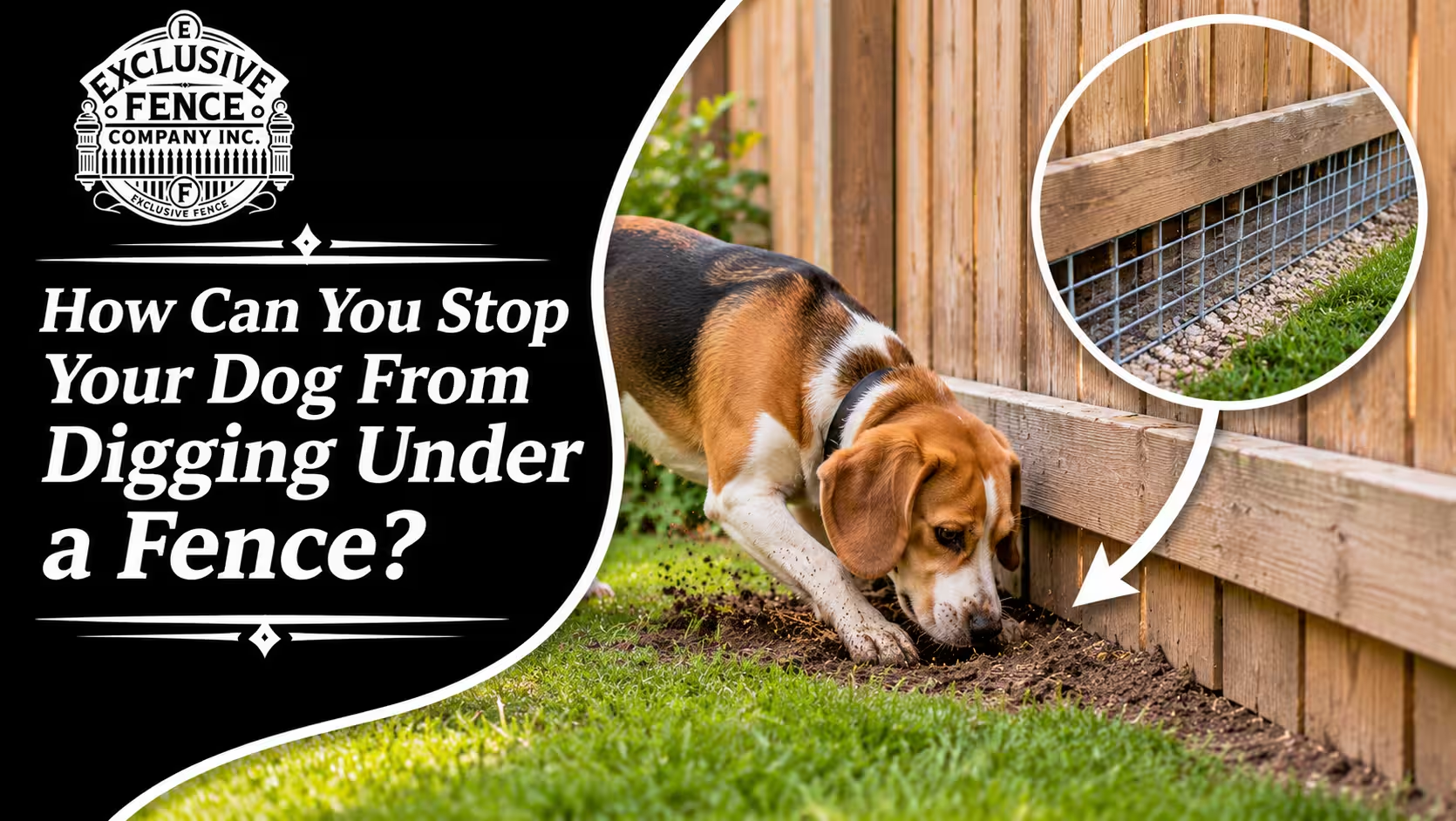
Write down your top two or three priorities. Is it privacy for the deck? A secure yard for a dog that digs? Maybe you want something that needs little care. Those answers point you toward the right height and style. They narrow down the material fast too.
Compare Estimates and Understand the Scope of Work
Don’t judge quotes by the bottom line alone. One quote may simply cover more work. Check whether each includes removal and disposal. Look at the materials listed. Then confirm what’s covered for posts and gates. Site prep belongs on that list too. A lower price isn’t automatically worse. Just compare the same job.
Choose a Fence Contractor and Confirm the Project Details
Get the key details in writing before you sign. List the materials and the layout. Note the height and each gate location. Spell out who handles any permit and who removes the old fence. Add the expected timing. Ask how surprises will be handled. Then confirm that underground utilities get marked before anyone digs.
Frequently Asked Questions
The right call depends on your fence’s condition. It also depends on the material you want and the rules for your lot. Every yard is a little different. Still, a few questions come up again and again. Here are straight answers to three common ones.
Should I Repair My Fence or Replace It?
Repair usually makes sense when the damage stays small. That might be a few boards or one post. Replace it when posts are failing along the run or repairs keep coming back. Let the actual condition decide. Weighing fence repair vs. replacement in detail helps when only part of the fence is struggling.
Which Fence Material Is Best for a Replacement Project?
There’s no single winner. Vinyl suits privacy with light upkeep. Wood suits a traditional or custom look. Aluminum works for open boundaries. Chain link handles practical containment. Match the material to your privacy needs first. Then weigh how much maintenance you’ll tolerate. Check the choice against your budget last.
Do I Need a Permit to Replace a Fence in Coram, NY?
It depends on your lot and the fence you plan to build. Brookhaven’s fence code diagram shows that height limits vary by yard. Some taller fences require a building permit. Don’t assume a replacement is exempt. Confirm with the Building Division before any work starts.
Final Thoughts
A smart fence replacement starts with an honest look at the old fence. Know what’s failing and what drives the cost. Pick a material that suits your yard. Then check what Brookhaven allows on your lot before you commit. Those steps lead to a fence you’ll be glad you built.
Exclusive Fence Company INC serves Coram and nearby Long Island communities from its office in Medford. The team offers fence installation and repair in Coram. It works with vinyl and PVC. Wood, aluminum, and chain link are covered too. Request an estimate or call (631) 946-4740 to talk through your options.